By Dave Parker- Past Outdoors
This article is written with Australian hunters in mind—those who are curious about chasing New Zealand’s big game species on public land. While there are many ways to experience hunting in New Zealand, the reflections here are from the perspective of backpack hunts into public land. It’s a style of hunting that comes with challenges, but also an immense sense of reward.
I’m an Australian hunter in my early 40s, based in New South Wales. Like many others, I began in the state forests where access is limited and the country can be unforgiving. Over time I gravitated south to Victoria, where I’ve spent many trips in the High Country chasing sambar deer. For me—and for most of the hunters I know across NSW, Victoria, and Queensland—sambar are the pinnacle of Australian hunting.
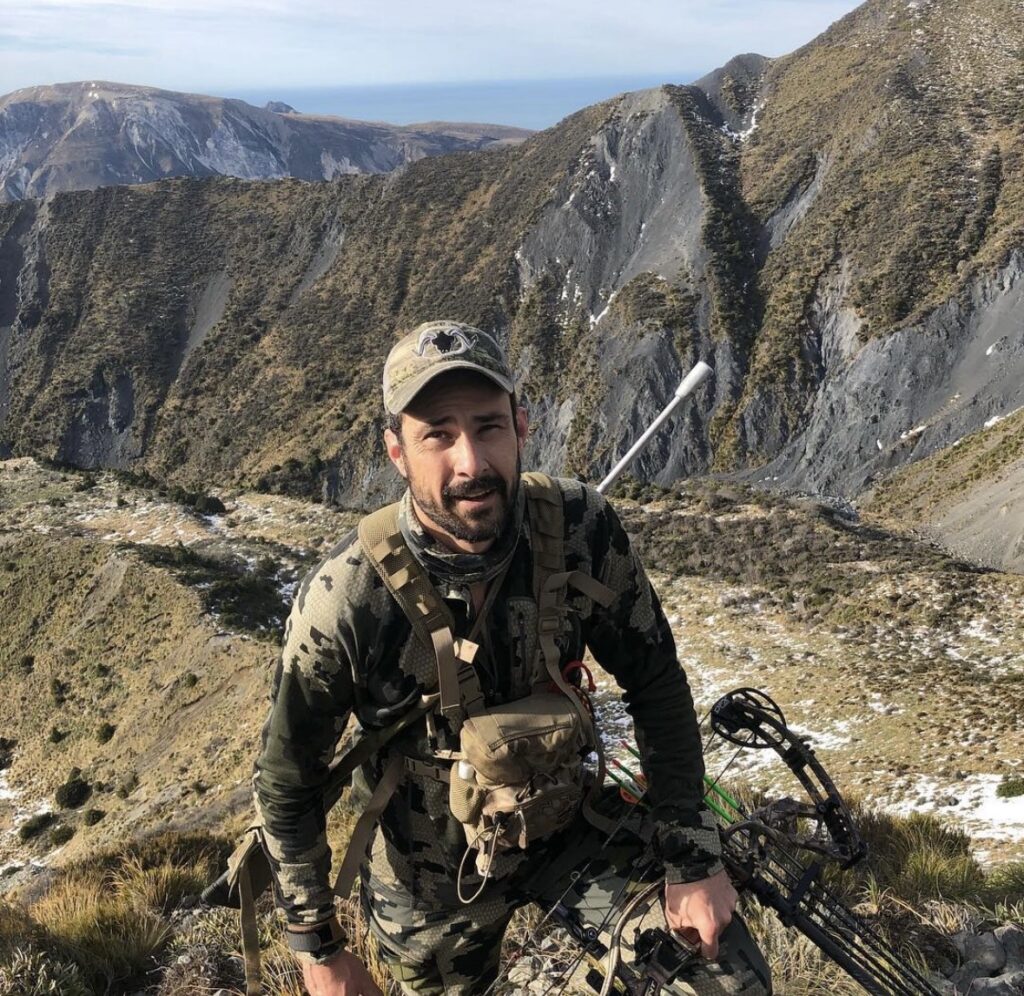
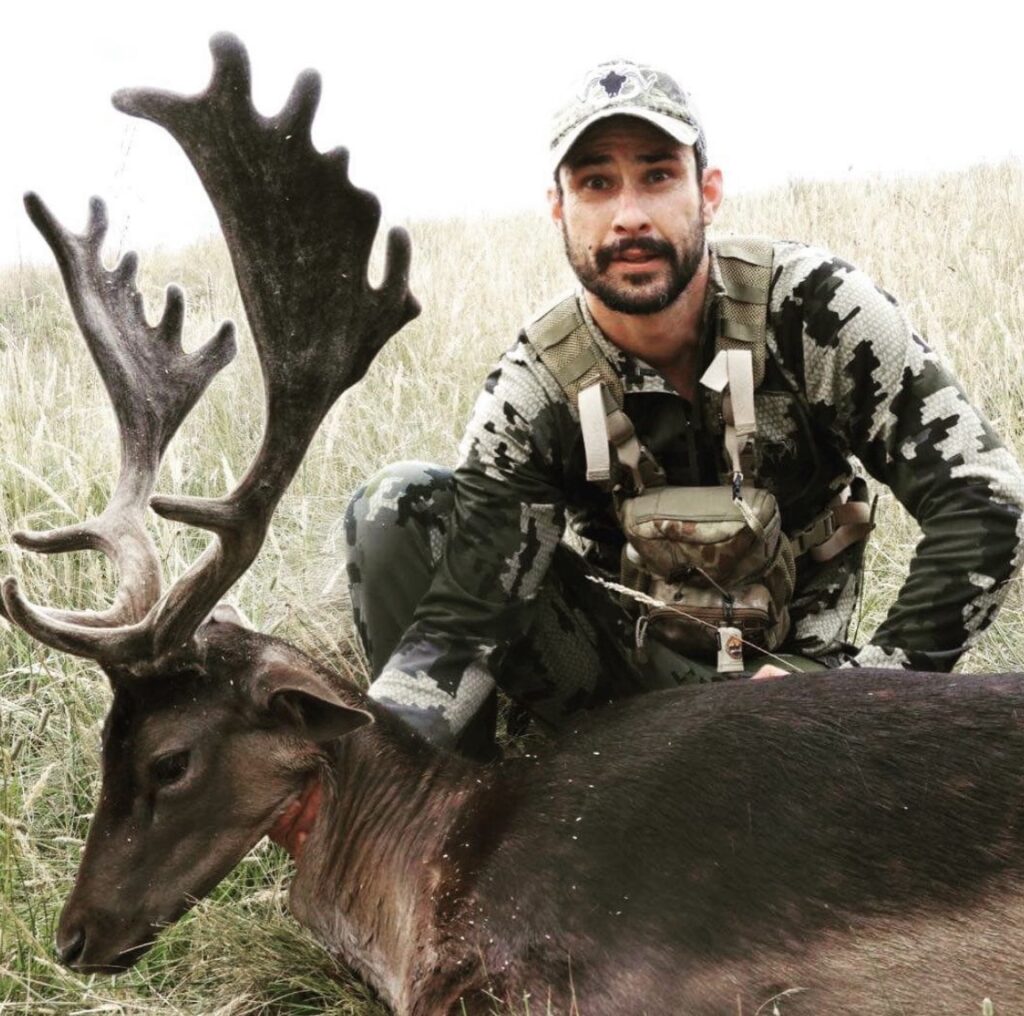
But eventually my attention turned across the Tasman. New Zealand offered something entirely different: red stags roaring in alpine valleys, chamois perched on sheer ridgelines, and bull tahr in snow-filled basins. It looked like the ultimate adventure. Of course, as I discovered, the reality is tougher, wilder, and more demanding than any video can show.
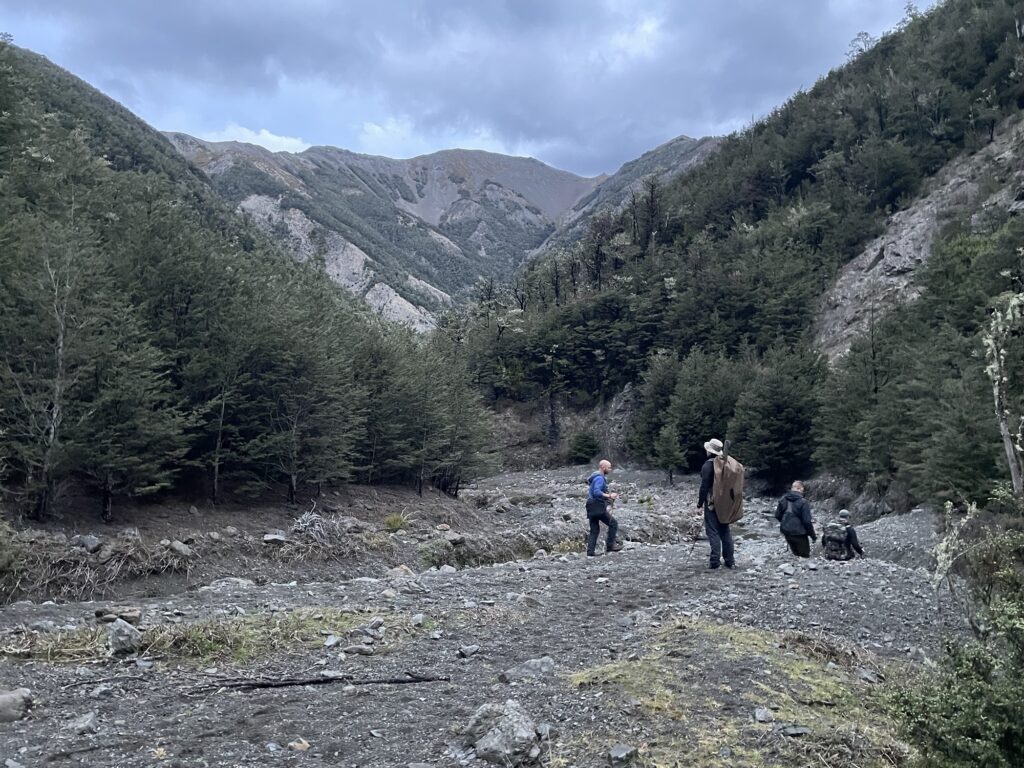
Over several trips I’ve pieced together some lessons, often the hard way. Here are three areas I think every Australian should consider before planning a hunt across the ditch.
Choosing Where to Hunt
When Australians think of New Zealand hunting, many imagine Fiordland and the wapiti ballot. It’s a spectacular place, but it’s also unforgiving country. The terrain, weather, and sheer remoteness mean it’s not the best place to start.
The species most Australians focus on are red deer, chamois, and tahr. These don’t generally overlap in one location, so the best approach is to plan shorter hunts in a few different areas, rather than trying to cover everything in a single trip.
Red Stags
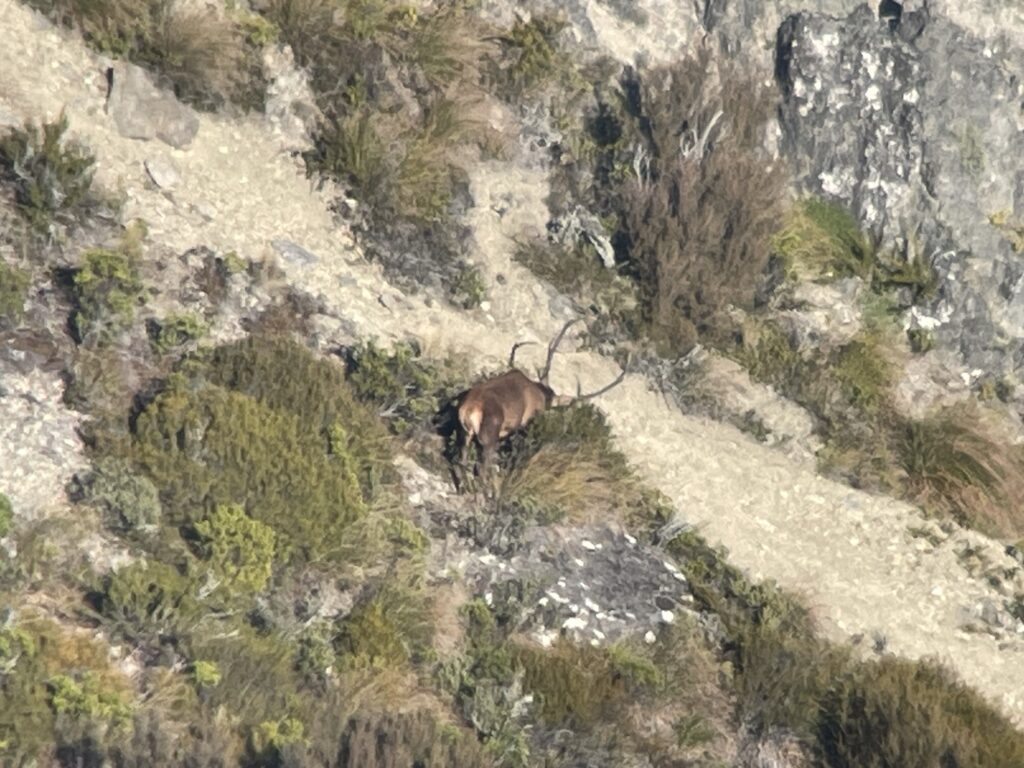
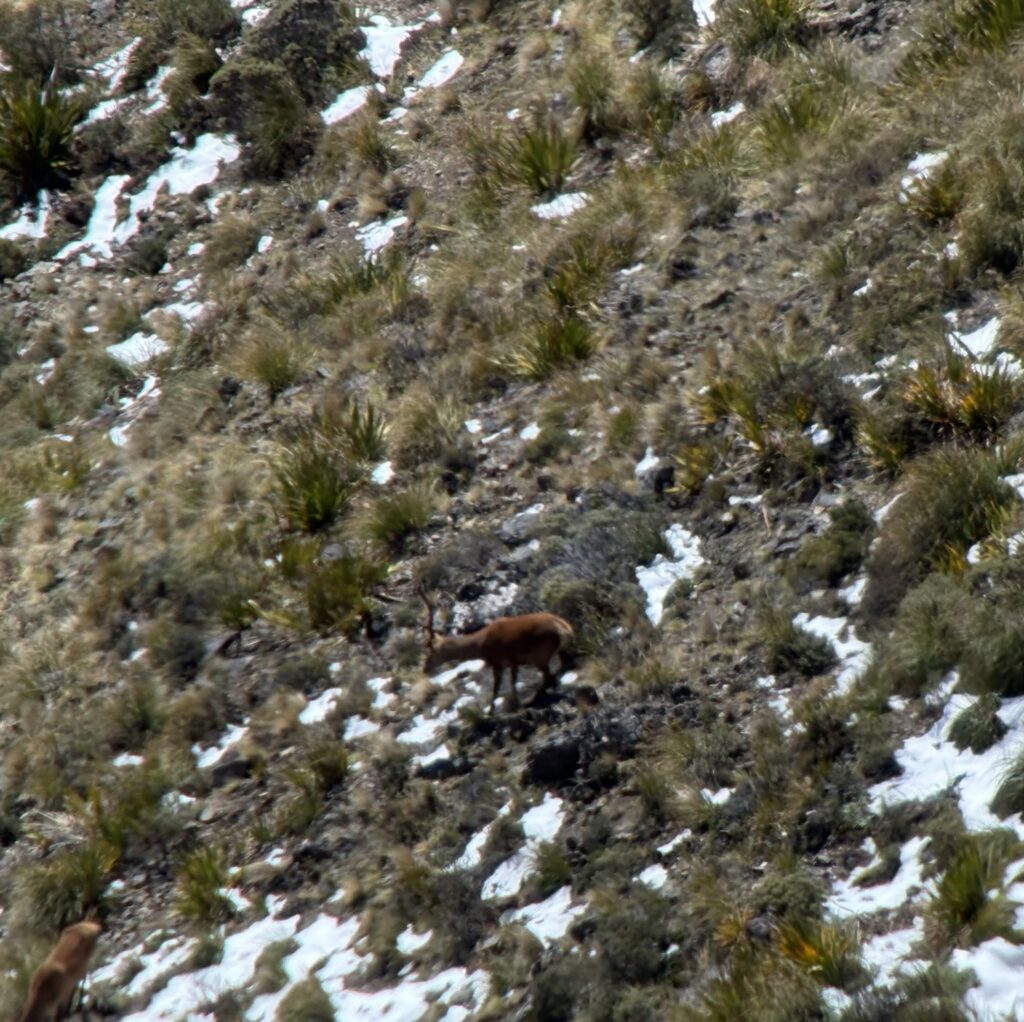
Many Australians dream of hunting a mature red stag during the roar in April. On public land, that dream is a long road. Truly mature stags are rare, and the people I know who have been successful are those who have almost made it their vocation. They’re in the mountains every weekend, fit enough to be mistaken for trail runners, and happy living off freeze-dried meals.
It may take several trips across multiple years before you see the stag you’re hoping for. Be prepared to return to the same valleys again and again, and accept that you might not shoot anything. A New Zealand friend once told me: “The way you shoot big stags is by not shooting the little ones.”
Chamois
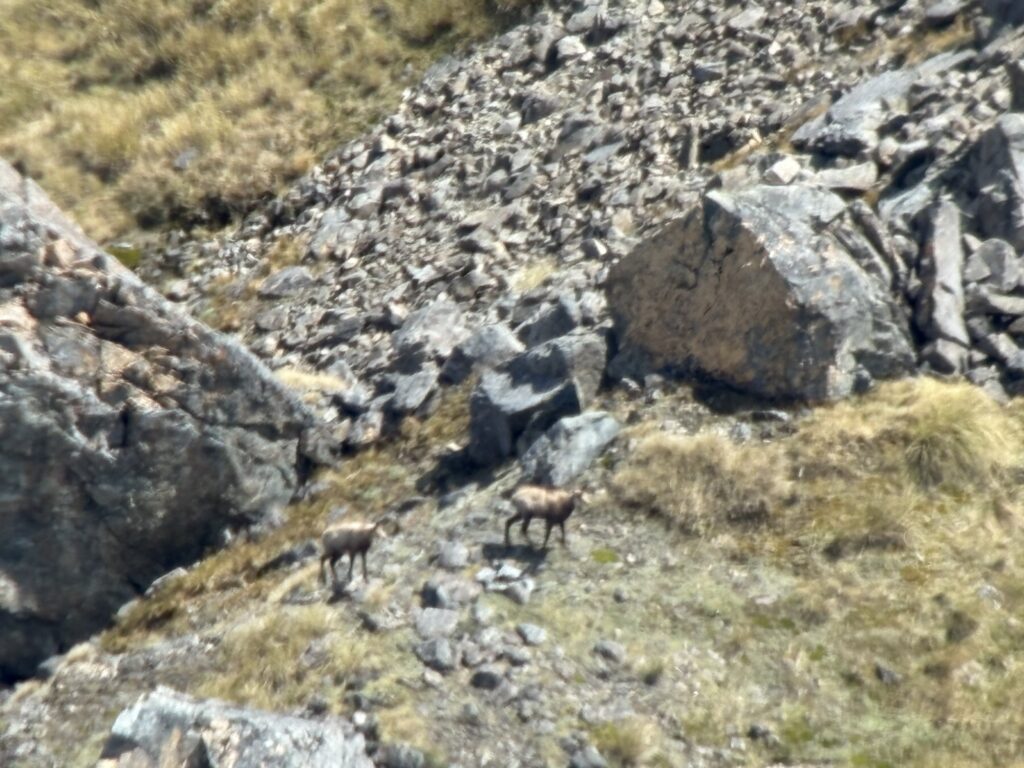
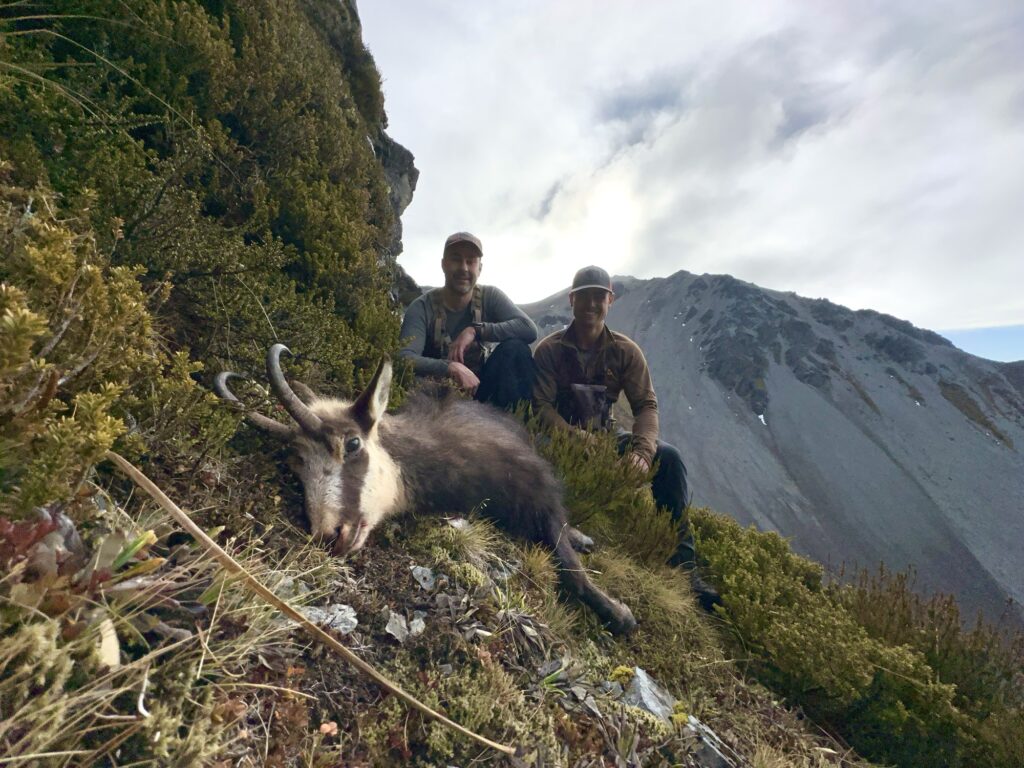
Chamois are one of the most rewarding alpine species to hunt, but also one of the most difficult to learn. Identifying bucks and does is extremely subtle—differences in build, horn shape, and behaviour that only years of observation truly reveal. I don’t claim to have mastered it myself. For Australians heading over, I’d suggest watching as much footage as possible and listening to those who have spent seasons studying them.
Tahr
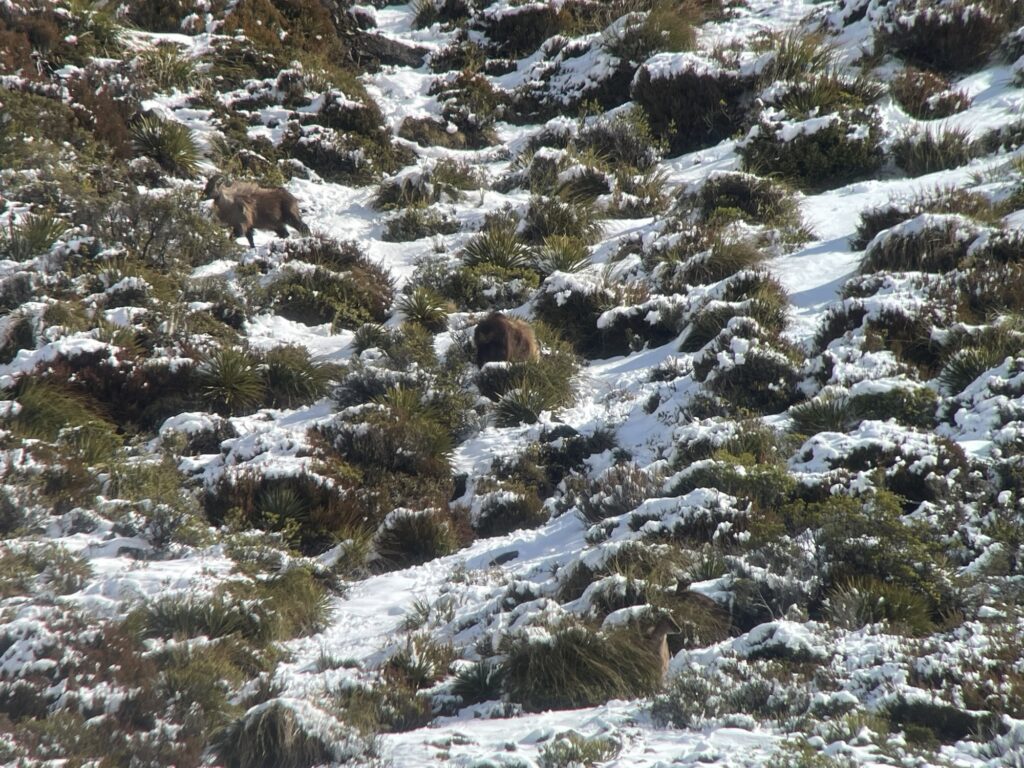
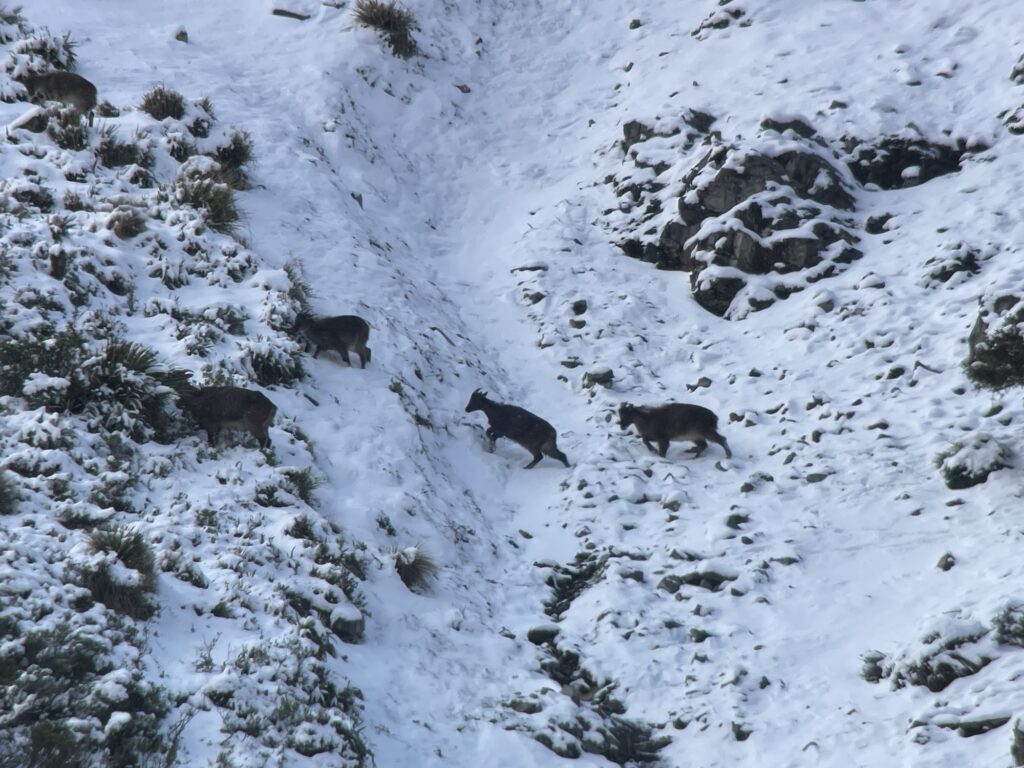
Tahr are more common, and at first glance easier to find, but identifying mature bulls requires care. A thick mane can be deceptive—a young bull can look far larger than it is. Horn size is a better indicator: the width at the bases, and the way the horns sweep.
There are also differences between regions. In my experience, East Coast bulls tend to carry longer, sweeping horns, while West Coast bulls are often shorter and heavier due to the harsher terrain. Both are impressive in their own right.
The most valuable preparation you can do is to connect with New Zealand hunters who are deeply invested in backpack hunting. They’re often the best source of practical knowledge, and their guidance can shorten years of trial and error.
Weather, Terrain, and Seasonal Reality
The weather is the constant factor that shapes every hunt in New Zealand. Plans need to be flexible, because conditions will inevitably change.
On one trip I spent 24 hours pinned in a tent while wet, heavy snow fell in temperatures just above freezing. On another, I had to retreat off a ridgeline to a hut in the valley when winds picked up to dangerous levels. And once, on the West Coast, I woke at daylight to find my tent threatening to take off with the wind.
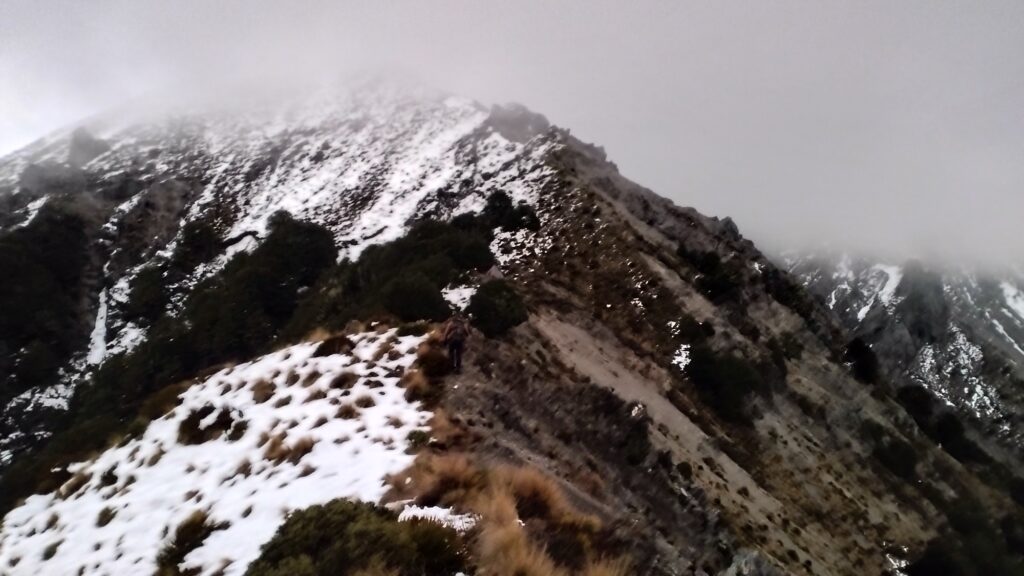
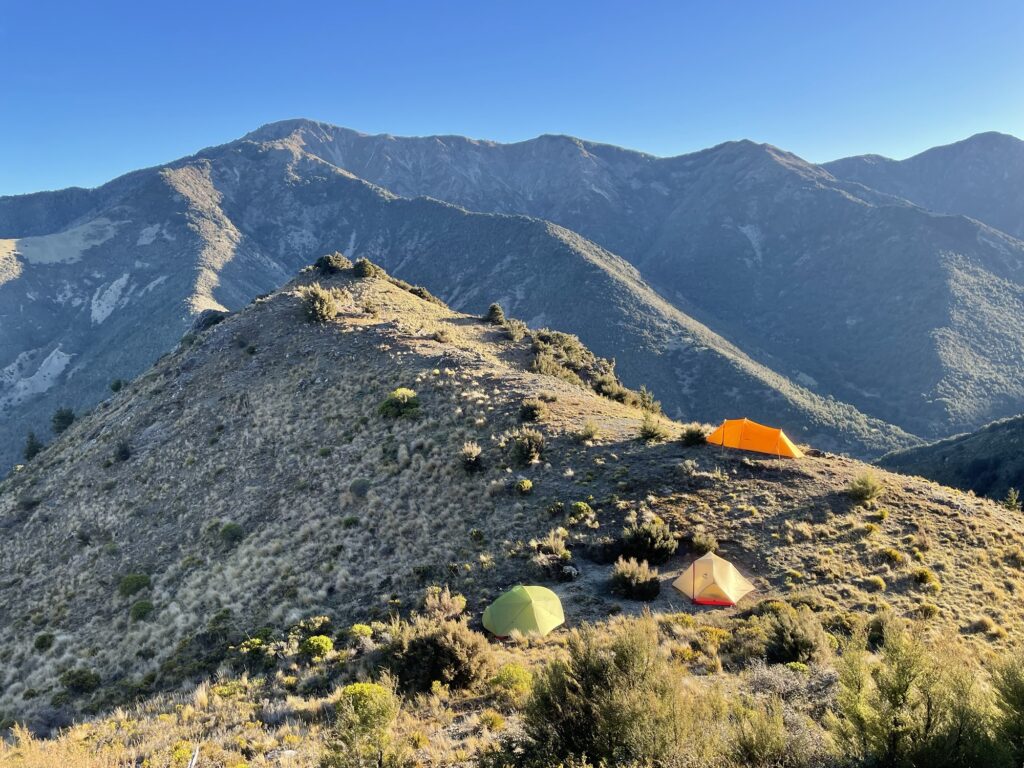
On my most recent trip, I had 12 days set aside to hunt. That time buffer proved crucial. With the help of good mates in New Zealand—blokes I jokingly call mountain goats—we were able to adjust plans as the weather rolled through, hunting three separate locations and targeting two species. Being my fifth trip, my goal was to finally take a mature buck chamois. Thanks to that flexibility, I achieved it.
The takeaway is simple: weather will change your plans. Build in enough time, and don’t expect to hunt every day.
Gear and Equipment
One of the biggest lessons I’ve learned is that the gear I use in Australia doesn’t always translate well to New Zealand conditions. Small details make a big difference.
Boots and socks – Boots will get wet and stay wet. Having something like the Bridgedale Storm Sock to keep your feet warm and dry in camp makes a huge difference. My preference is the Lowa Ranger, a durable full-leather boot that insulates well during river crossings. My New Zealand friends often choose lighter Salewa boots with stiff shanks for climbing.
Traction – I’m not trained in alpine climbing, and I’ve always held the philosophy that no animal is worth dying for. Instead of crampons, I carry microspikes. They’ve saved me more than once on icy tussock and snow grass, especially in shoulder seasons.
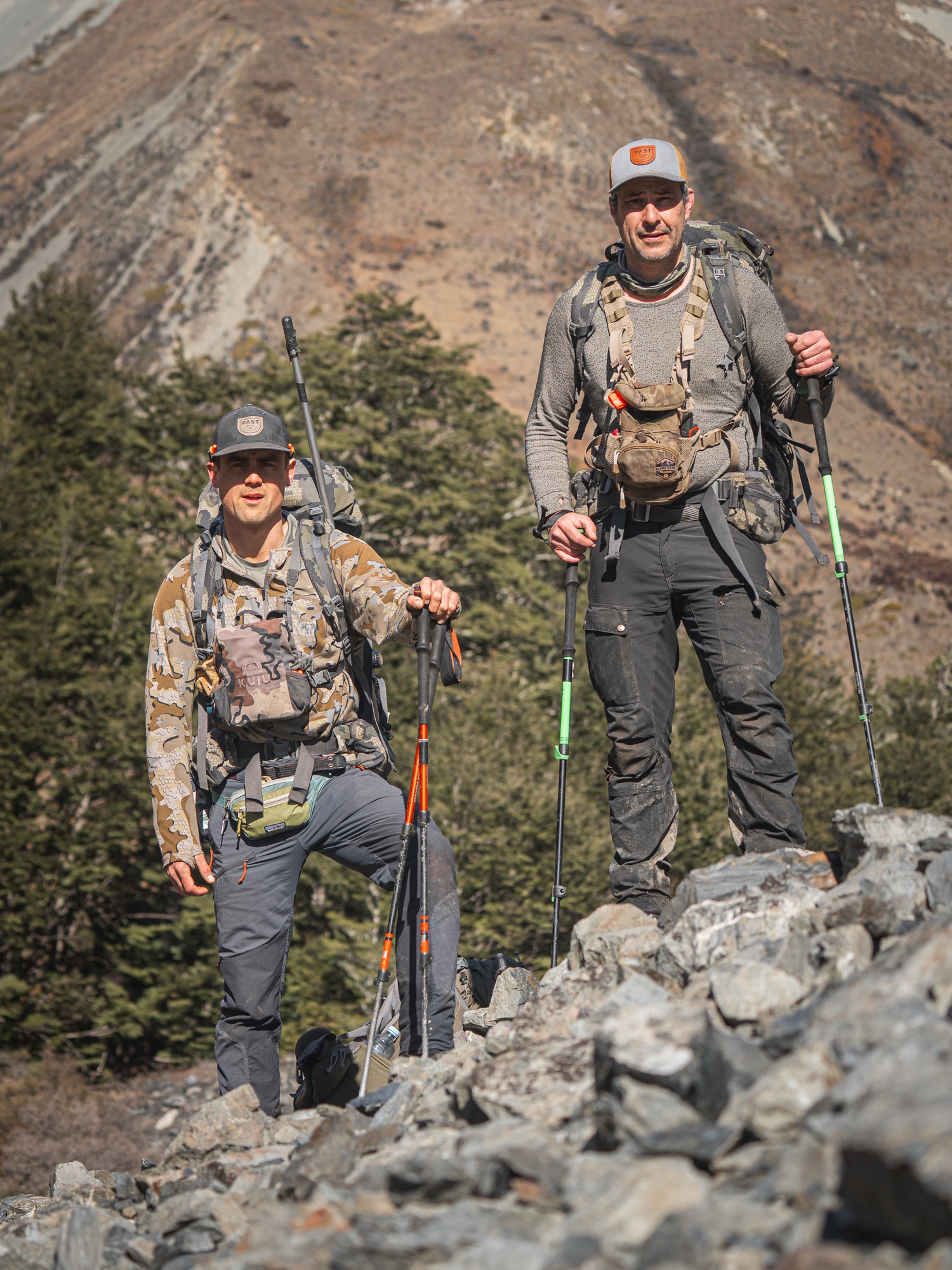
Poles – Two trekking poles are essential. Many hunts begin with what my friends call a “1,000-metre buy-in”—a vertical climb through thick scrub before reaching the alpine country. Poles aren’t just about comfort; they’re about safety.
Insulation and wet-weather gear – Most Kiwis I’ve hunted with carry a lightweight synthetic down jacket. Following their lead, I’ve used the Mont Guide Hoody on my last two trips. It’s kept me warm even when soaked through in seriously cold conditions.
Navigation and communication – I rely on the NZTopo50 app, which has excellent offline maps. It works well, but don’t be surprised when the 20-metre contours fail to show hidden bluffs or gullies. For comms, I use the Garmin InReach Mini
- It’s been flawless in New Zealand—except once, when I walked four hours into a remote valley and discovered the app had uninstalled from my phone. I couldn’t pair it easily with another device and it drove home the point: do your pre-checks before you leave coverage.
Final Thoughts
Hunting New Zealand is demanding. The mountains, the weather, and the animals all ask for more than you expect. But it’s also deeply rewarding.
It might take multiple trips before you find the success you’re hoping for, and along the way you’ll learn lessons that can’t be found in a video or on a forum. For me, that’s where the value lies—in the process of adapting, learning, and slowly becoming more capable in the mountains.
For Australians considering their first hunt across the Tasman, go in with open expectations, good preparation, and plenty of time. You may not come home with a set of antlers, but you’ll come home with experiences that stay with you far longer.