By Seth Brown – Resilient Hunter
There is an old saying in the outdoors world that ounces equal pounds, and pounds equal pain.
For a long time, I believed it without question.
Every hunter who has climbed through monkey scrub with a week’s worth of food on his back understands the tyranny of weight. Every extra kilogram makes itself known in the thighs on steep climbs, in the lungs above the bushline, and in the shoulders when daylight is fading and there is still another spur to cross.
So, like many hunters, I chased lightness.
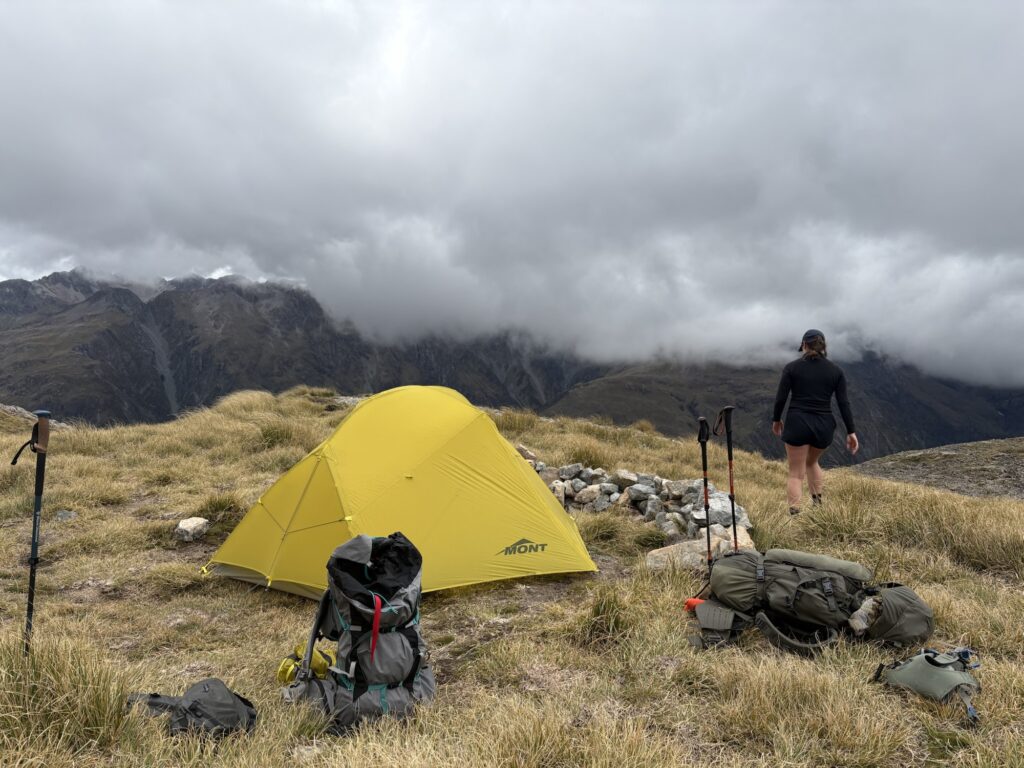
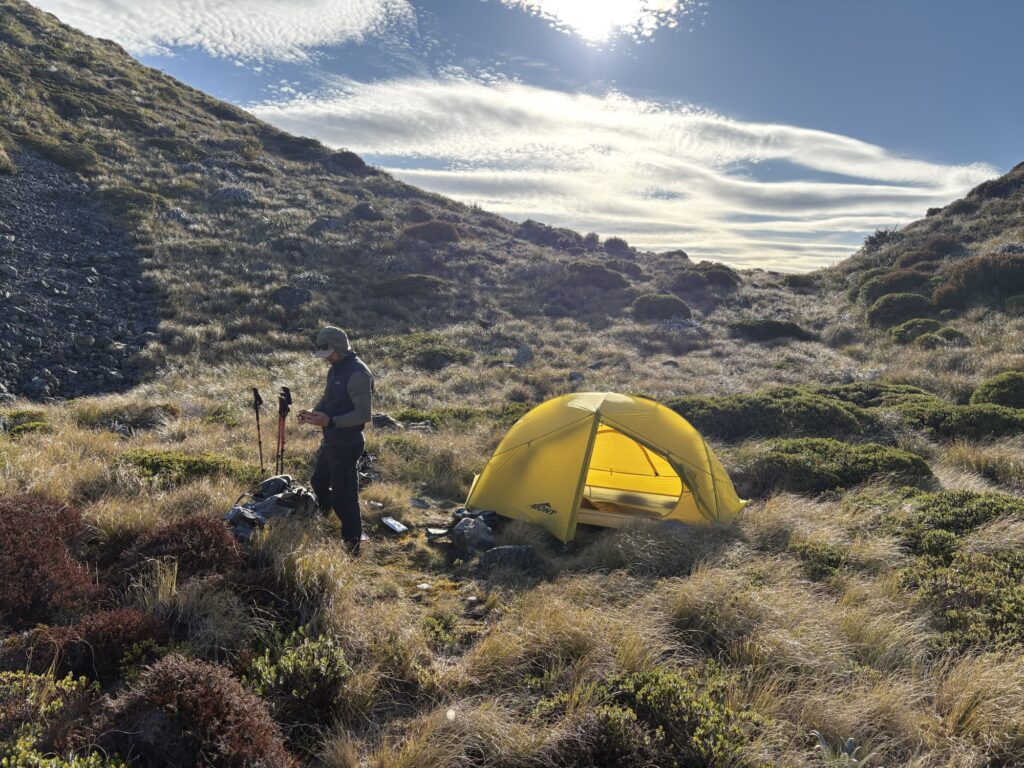
For most of 2025 and into early 2026, I carried a Mont Moondance 2P FN. It was, in many ways, an excellent compromise. It was light enough to justify carrying deep into the hills and stout enough to survive most of what New Zealand weather could throw at it. The full nylon inner made it noticeably warmer than tents with mesh inners like the MSR Hubba Hubba, and over months of hunting trips it proved comfortable, practical, and dependable.
Until the mountains reminded me that “most” is not always enough.
In late February I was back in North Canterbury, in a catchment I had only visited once before. I knew the general shape of the country, but not the finer details. The forecast was favourable enough, though the north-westerly was expected to rise overnight, which is hardly unusual in Canterbury.
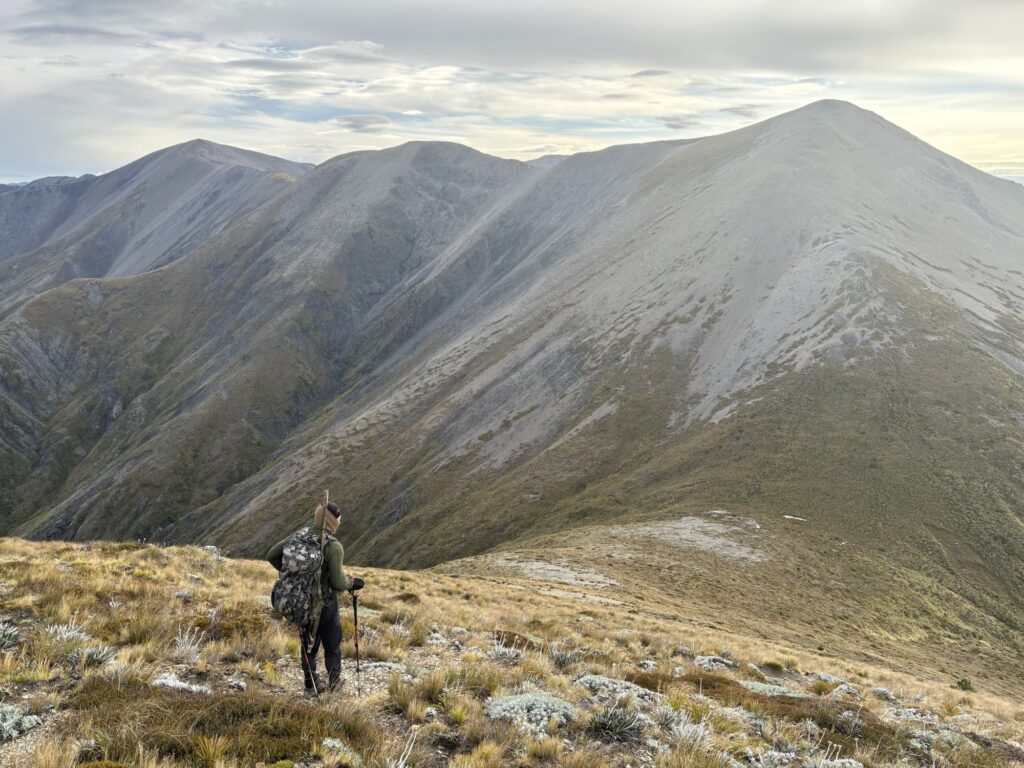
The only practical campsite near where we wanted to hunt sat on a narrow ridge running north to south. It wasn’t ideal, but it was close to where we intended to glass and hunt, and in the middle of the day the wind seemed manageable. We pitched the tent and dropped into the basin below.
It was a long afternoon.
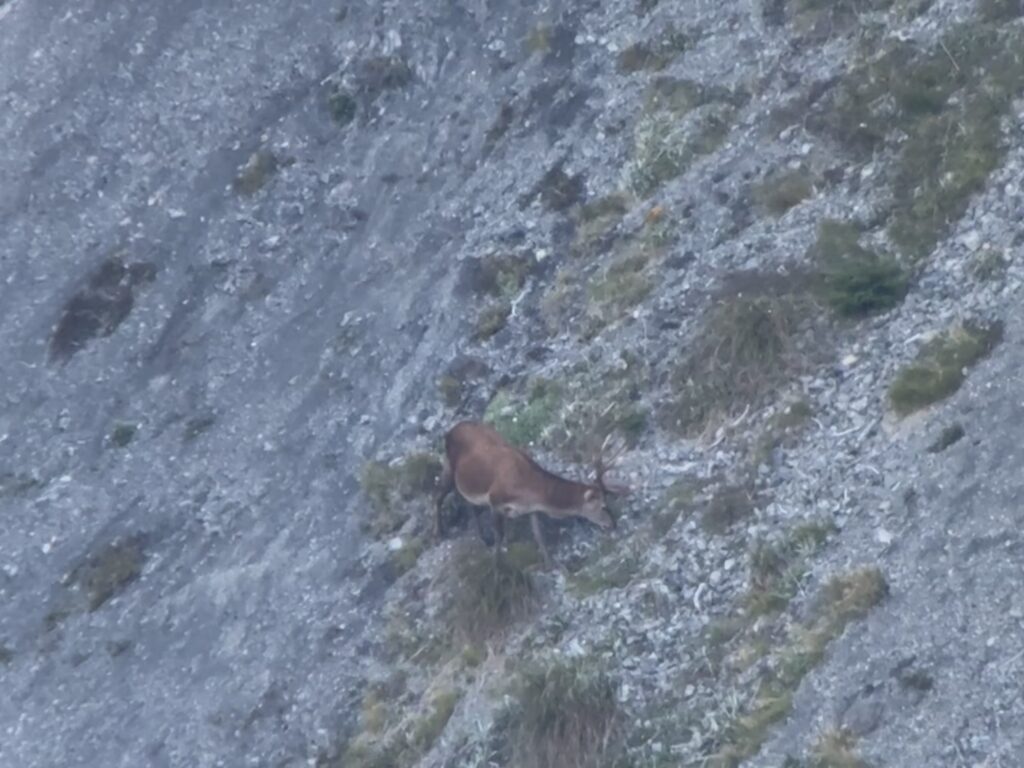
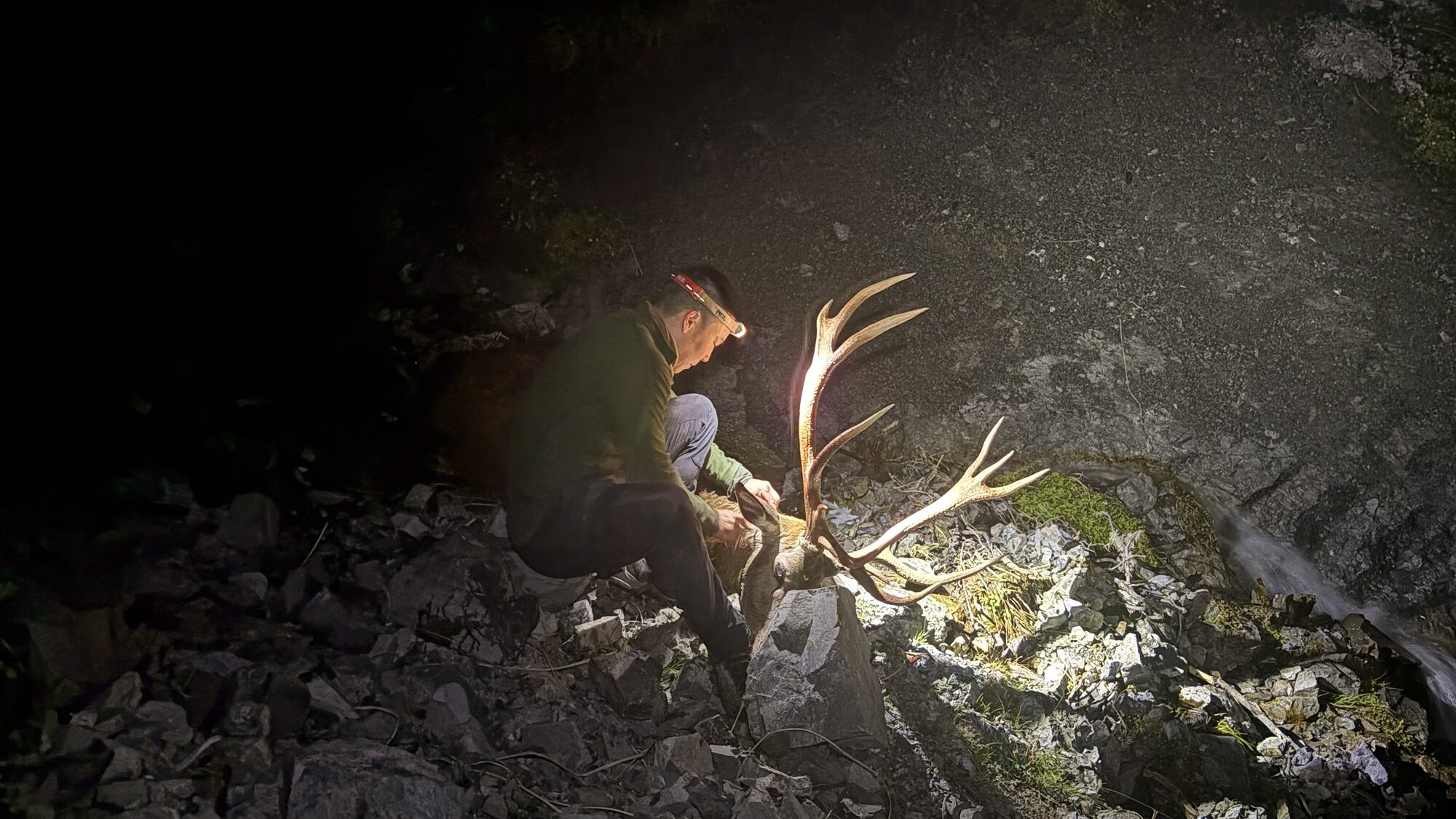
We found a stag deep in a gully and by the time we had shot him, butchered him, and carried meat back toward camp, it was close to eleven at night. The walk back was done by headlamp, under tired legs and heavier packs.
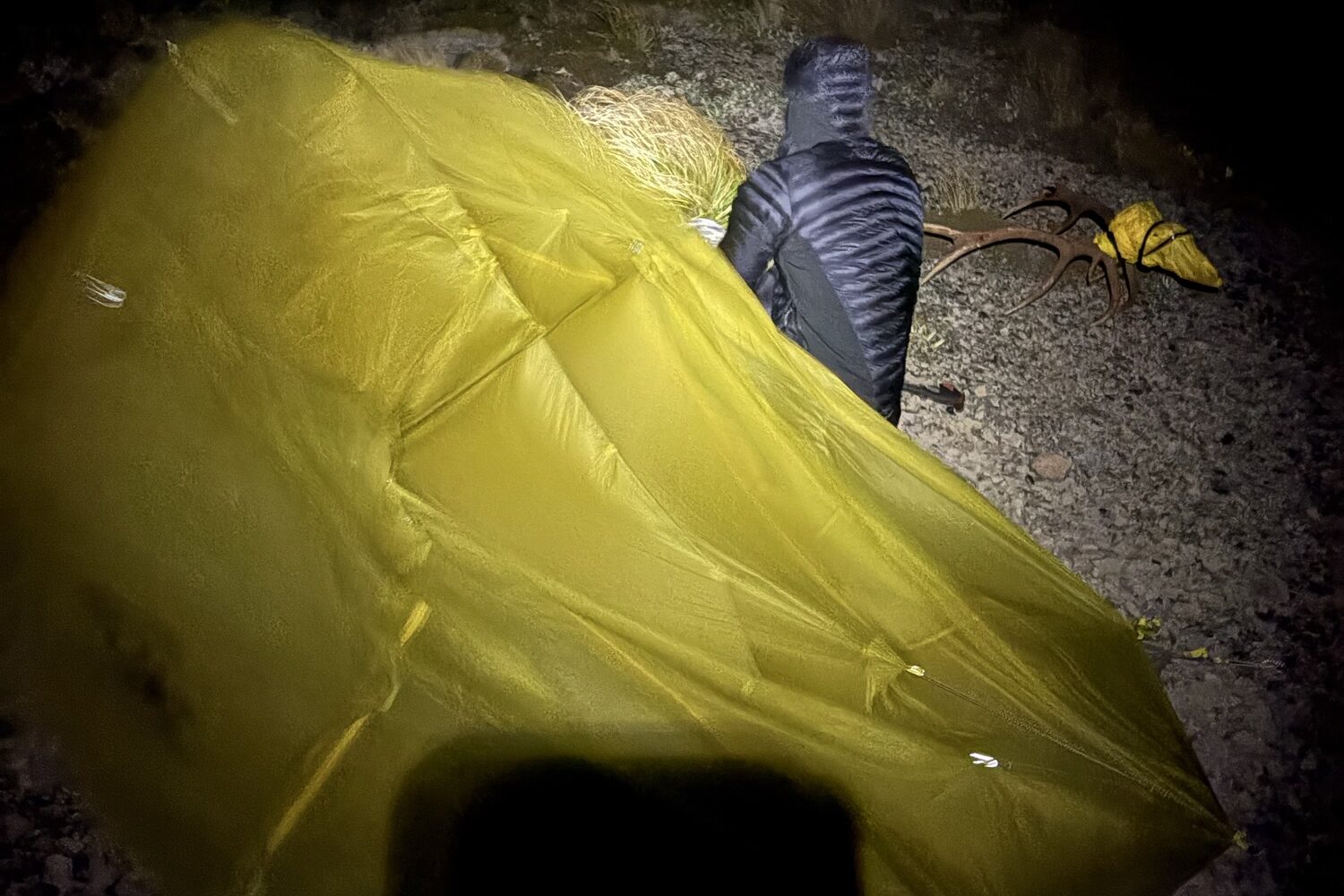
When we crested the ridge and saw camp, the tent was gone.
Not gone entirely, but flattened.
The poles had been pushed hard to the ground, the fly hammered flat against the inner. It looked like a dead thing lying in the tussock. Thankfully nothing had broken. It could have been much worse. We packed everything 2km into a more sheltered catchment in the dark, and by half past one in the morning we had it standing again and managed a few hours of broken sleep.
At the time, I blamed the campsite and perhaps that was fair.
But there hadn’t been many other options.
I remember thinking then that a more robust shelter might have bought us more margin. That thought stayed with me because less than a year earlier, in May of 2025, I had spent ten nights hunting with an Australian who carried a Mont Supercell EX.
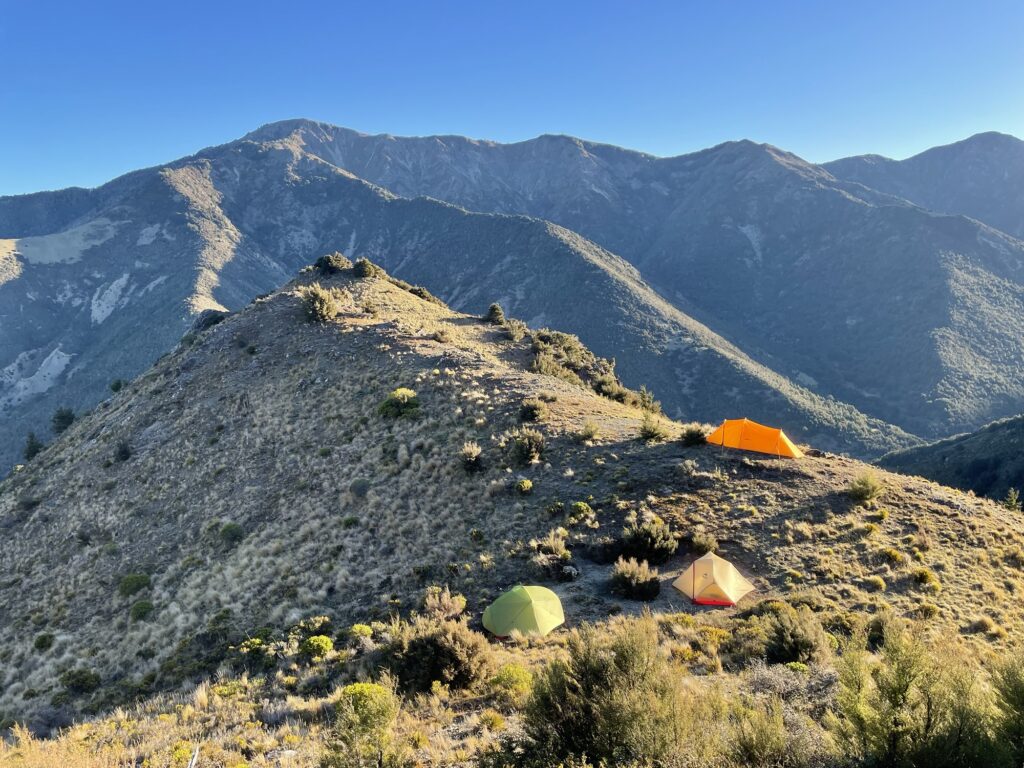
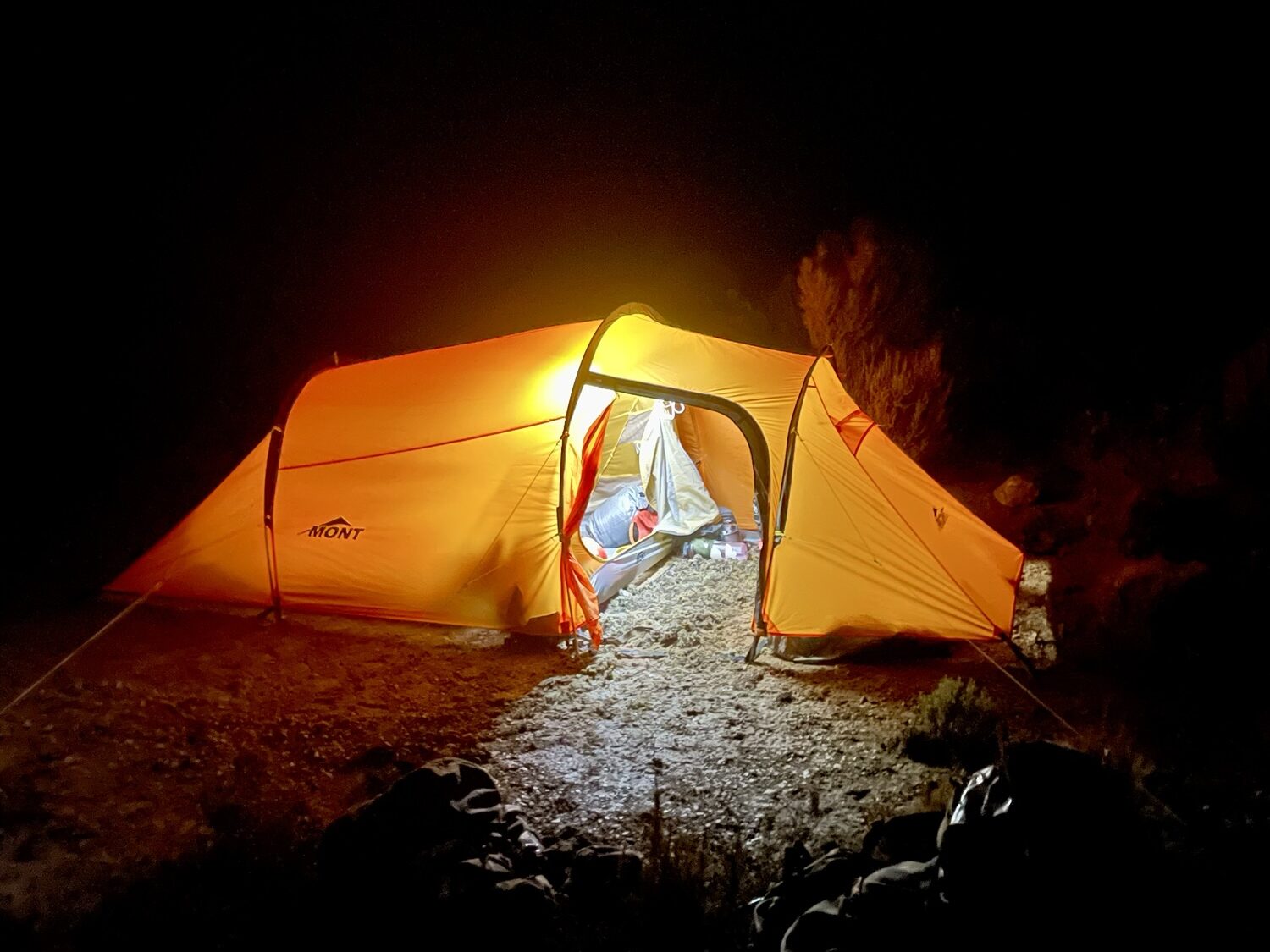
It was a brute of a thing, heavy, bulky. More tent than I would ever have willingly carried myself, but it seemed almost immune to weather.
We pitched it on ridges and saddles and in places where campsite selection became less about protection and more about convenience. The thing simply endured. It shrugged off hard wind and bad weather in a way lighter tents never seemed to.
That memory sat in the back of my mind.
Still, by early April, at the peak of the roar, I found myself carrying the Moondance again, perhaps I hadn’t learned enough, or perhaps I still valued weight savings more than capability.
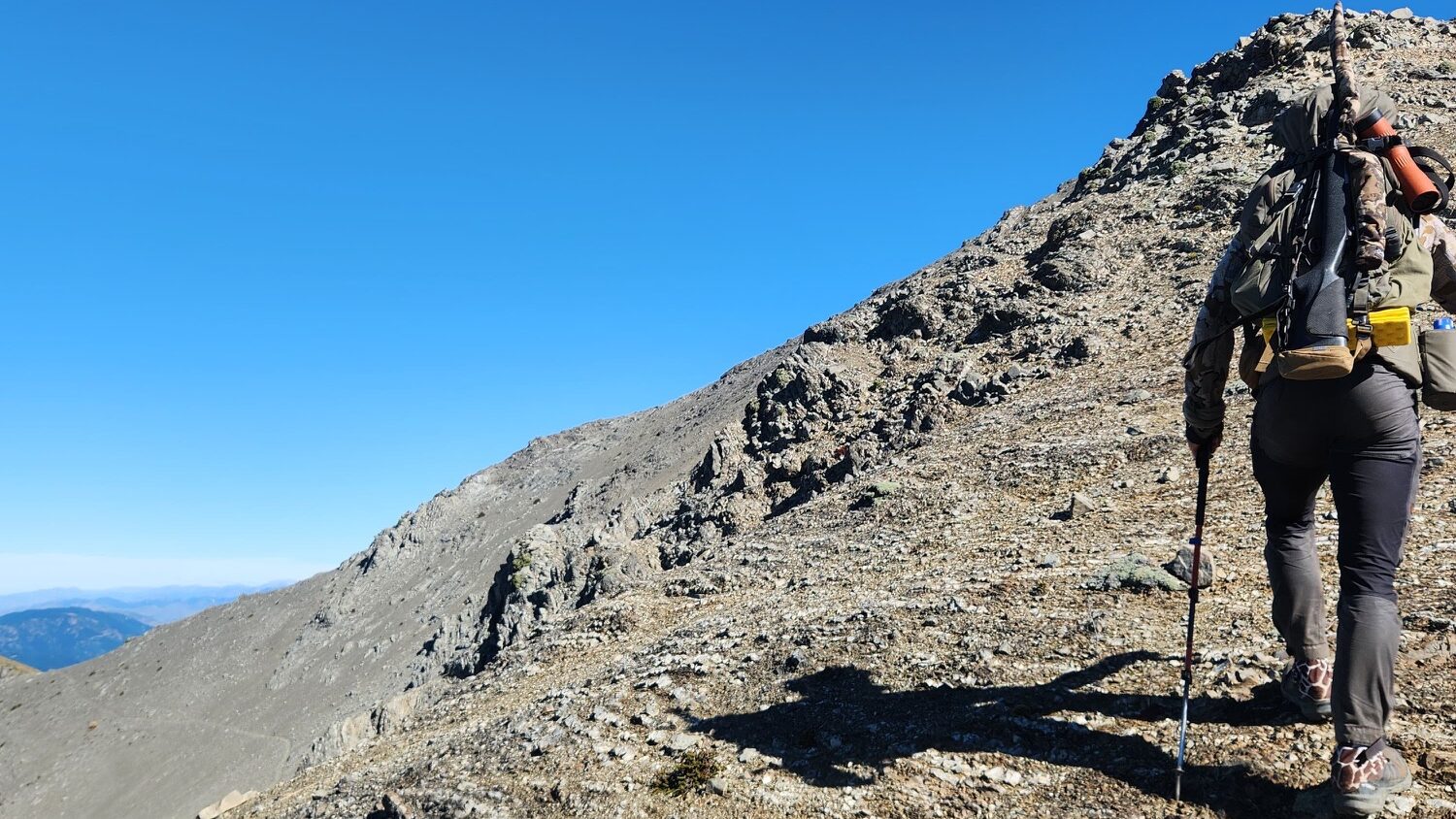
After six hard hours of walking, we found the only flat campsite in the area. Again, it was exposed. Again, it sat on a ridge. This time I was with an American hunter carrying a Big Agnes Copper Spur 2, a famously light and popular tent. He assured me it handled wind well enough.
We pitched early and left to glass.
When we returned just before dark, the tops were being hammered.
The forecast had called for twenty-kilometre-per-hour winds gusting to seventy.
Reality felt stronger.
The Copper Spur was flat, the Moondance was still standing, though only just. I knew from the February trip that it was unlikely to survive the night without intervention. So we packed everything up and descended six hundred vertical metres into the river in darkness.
The wind disappeared entirely.
We slept comfortably.
But in the morning we had lost altitude, lost position, and lost time.
Again I thought of the Supercell.
By late April, I was ready to stop learning the same lesson.
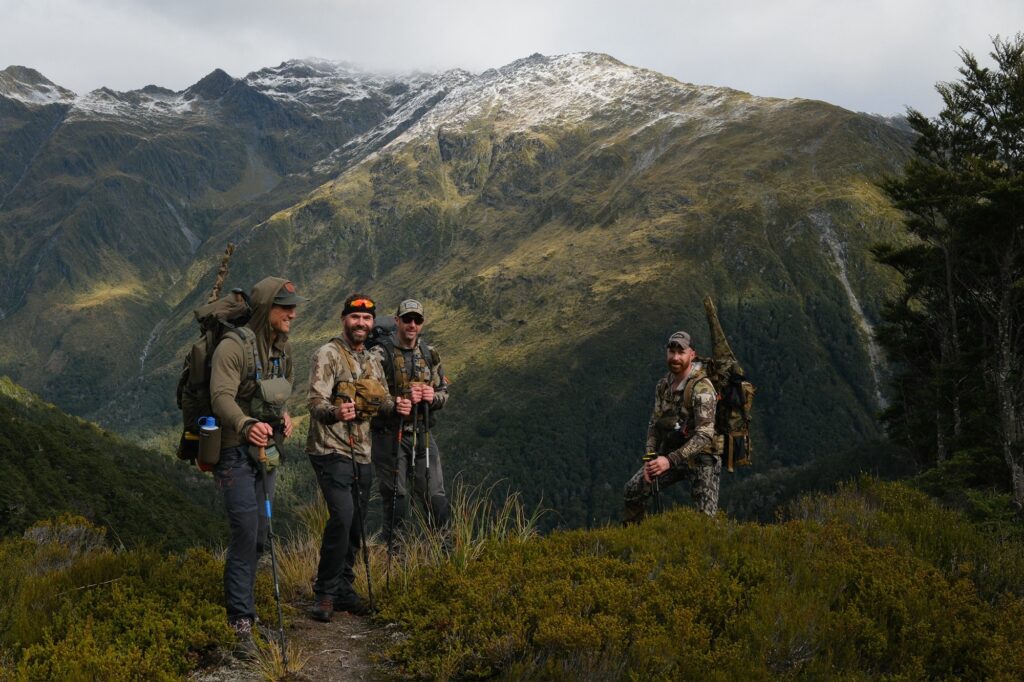
I had my first cohort of Australians in the country. Australians seem convinced that the only time worth hunting red stags in New Zealand is April and May, despite the fact that these months often bring the most volatile weather.
By the time they arrived, the first roar cycle had largely ended and the stags had gone quiet. At the same time, the tail end of Cyclone Tam was clipping the South Island and north-westerlies were forecast to ninety kilometres per hour.
This time I was prepared.
I had two of them carry a Mont Supercell. Not the larger EX, but the standard two-pole version. I had also picked up a second-hand Helsport Ringstind, a small one-man four-season tent. My intention was simple: to camp where we found ourselves, not where weather forced us.
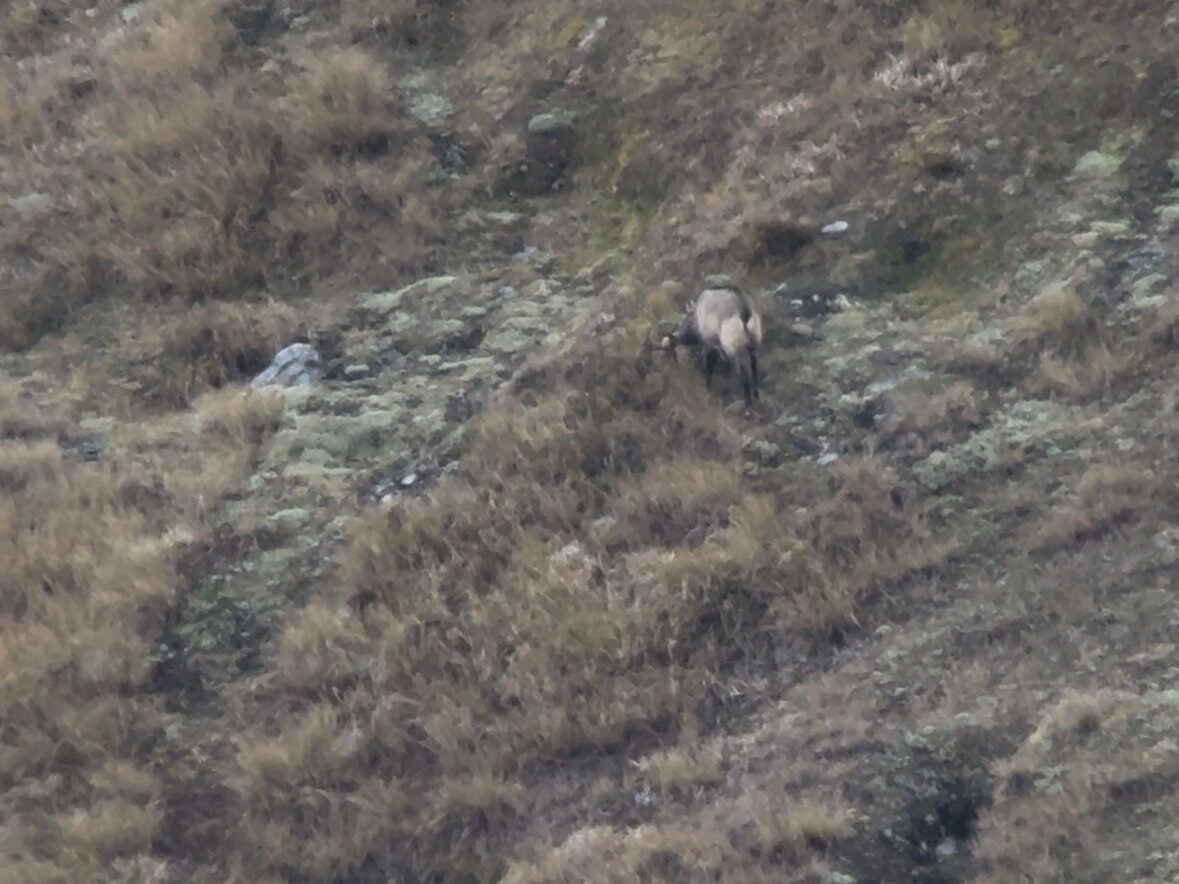
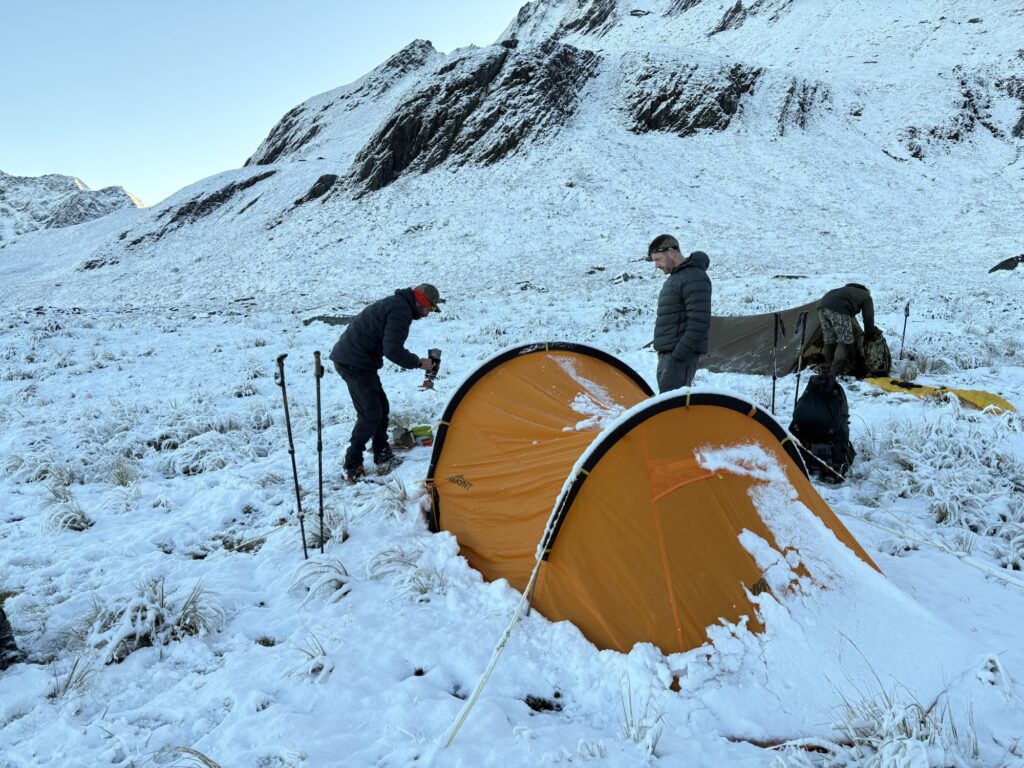
After seven hours on foot we reached the tops at fifteen-fifty metres. The wind was ugly but survivable. Daylight was fading and there was a nice chamois buck nearby, so we made camp in the lee of a small rise.
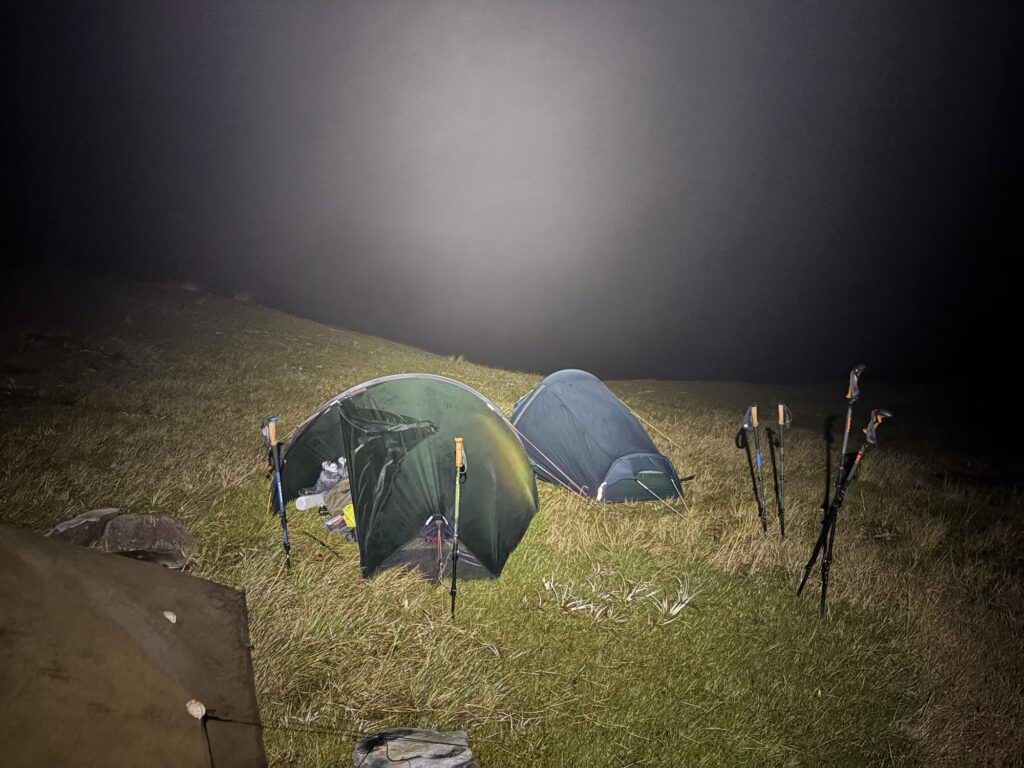
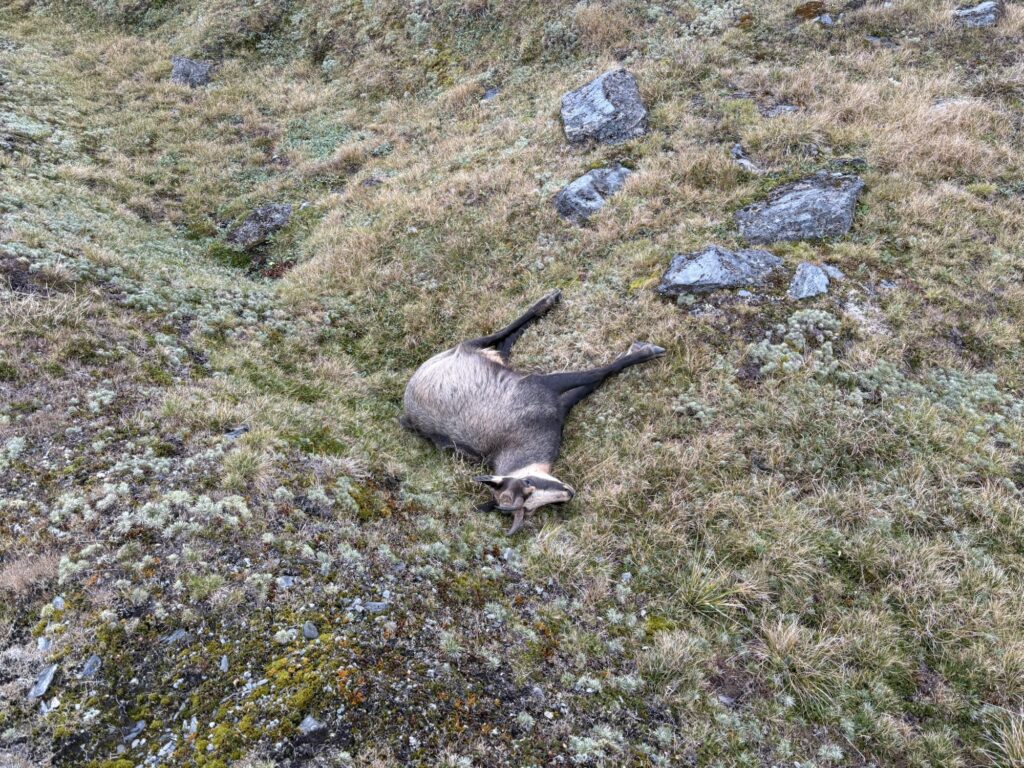
The Supercell’s large footprint forced it into more exposure than I would have liked.
It didn’t matter.
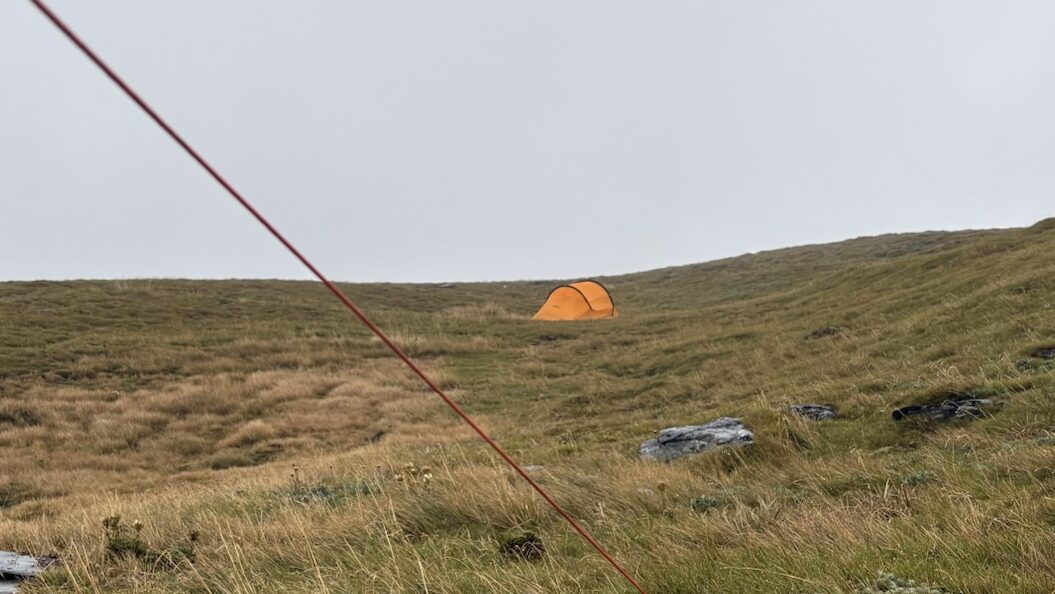
That night the wind gusted to around seventy.
No tents collapsed.
No midnight evacuations.
No drama.
Everyone slept warm and secure.
Two nights later we had traversed a basin and fought through two hours of monkey scrub to regain the tops. We emerged cold, wet, and battered by the nor’wester. Morale was low and visibility was dropping.
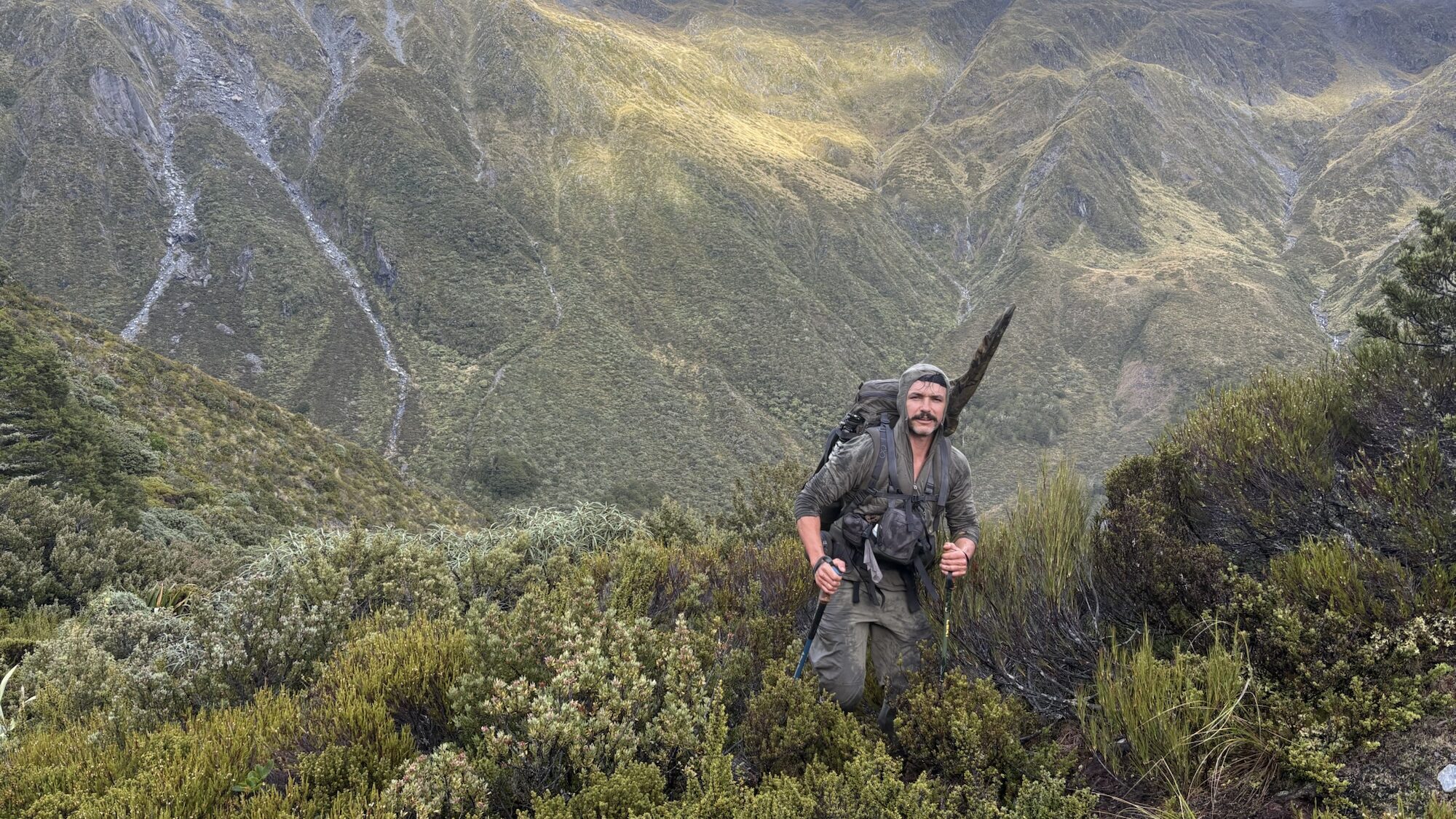
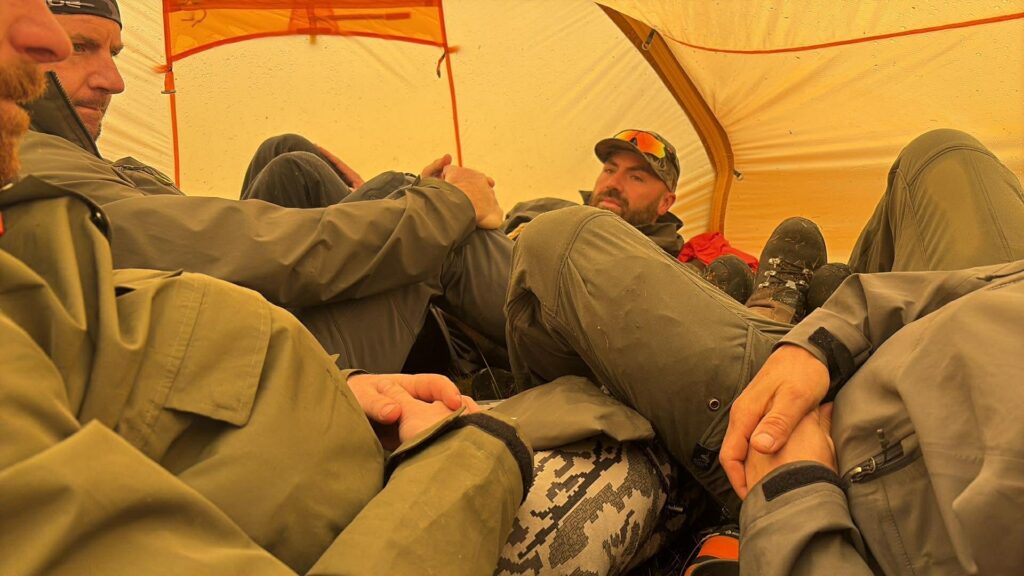
We pitched the Supercell fly-only.
Five grown men climbed into the vestibule while Jetboils hissed and coffees brewed.
The fly broke the wind.
Warmth returned.
Morale improved almost instantly.
That moment alone justified the extra weight.
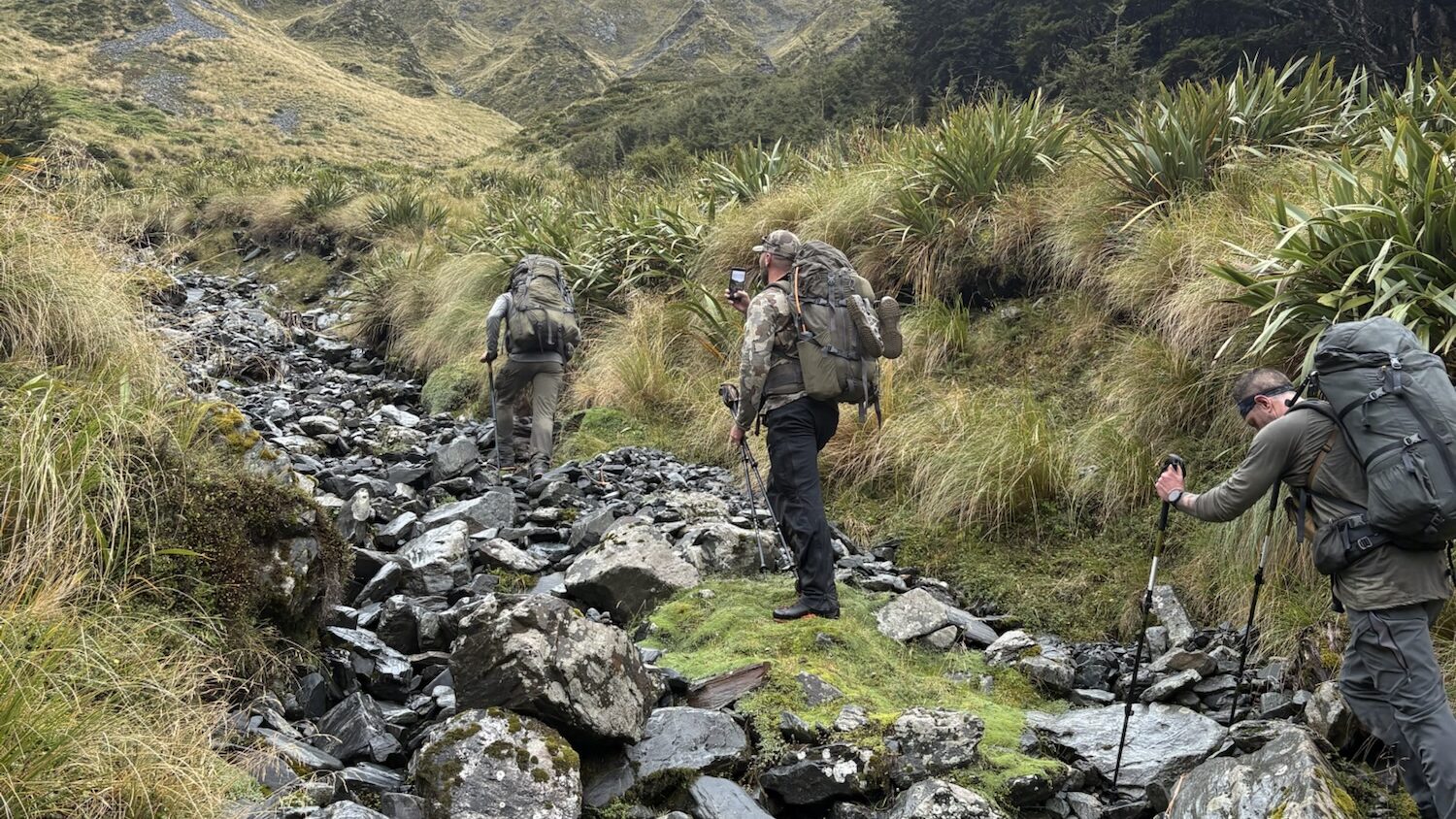
Later that night we camped beside an alpine tarn at over sixteen hundred metres. The wind still pushed hard and the cloud continued to build, but we stayed high. We did not have to descend into the valleys or keep moving to search for shelter.
When the weather cleared the next day, we were already where we needed to be.
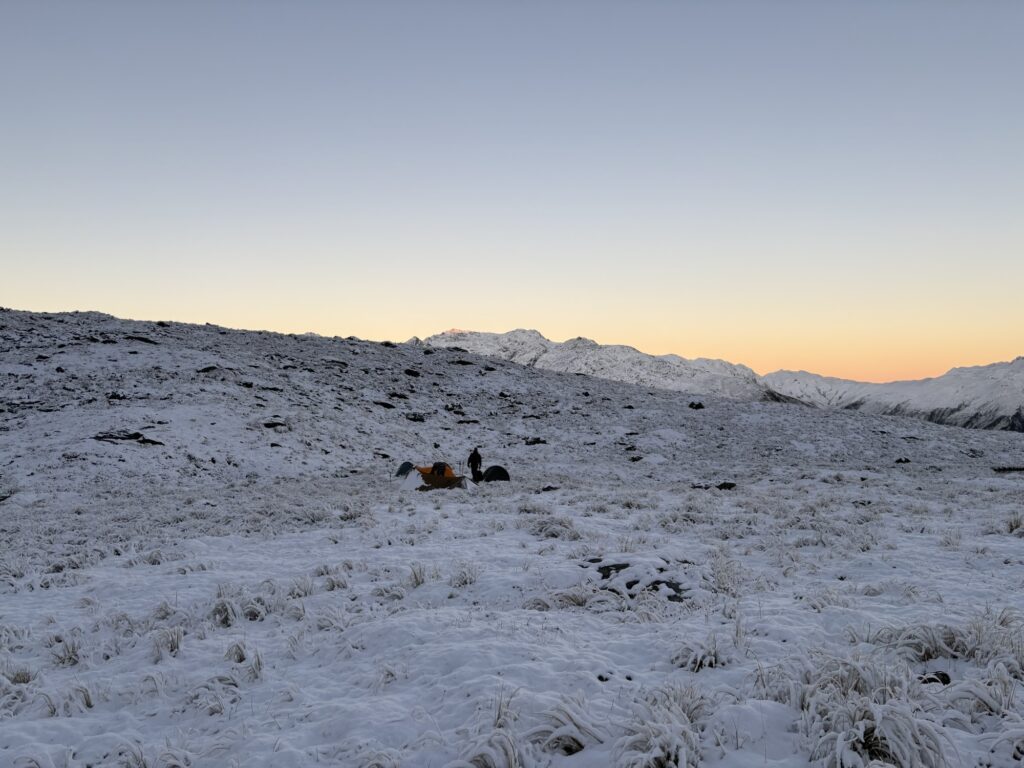
The following week I was on the West Coast with two mates. The weather had changed again, this time to an arctic south-easterly. Thirty kilometres an hour gusting to one hundred.
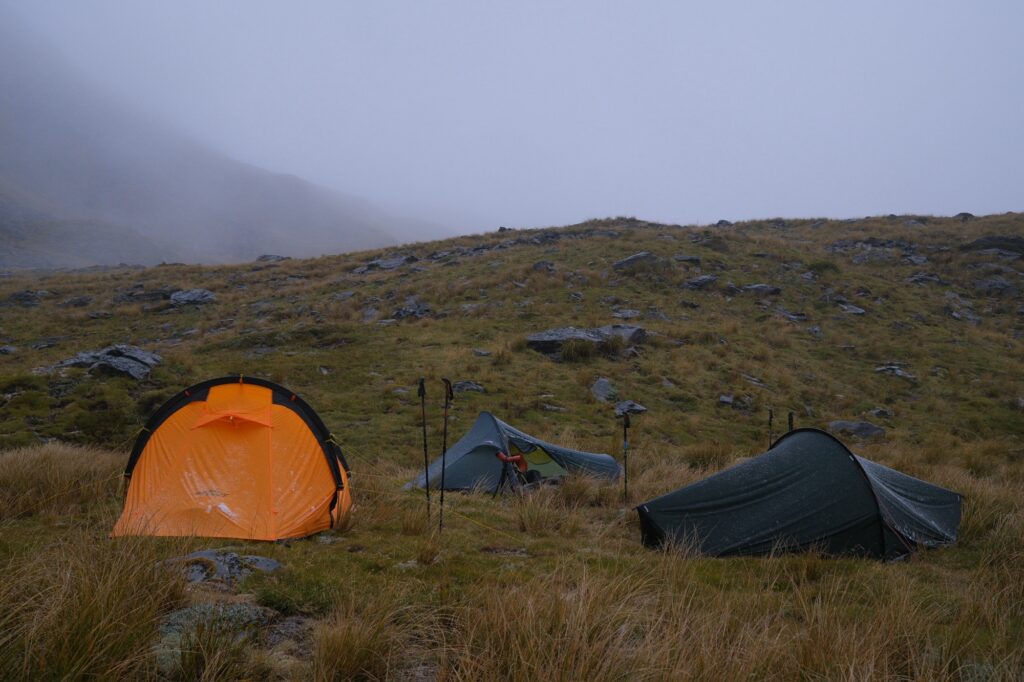
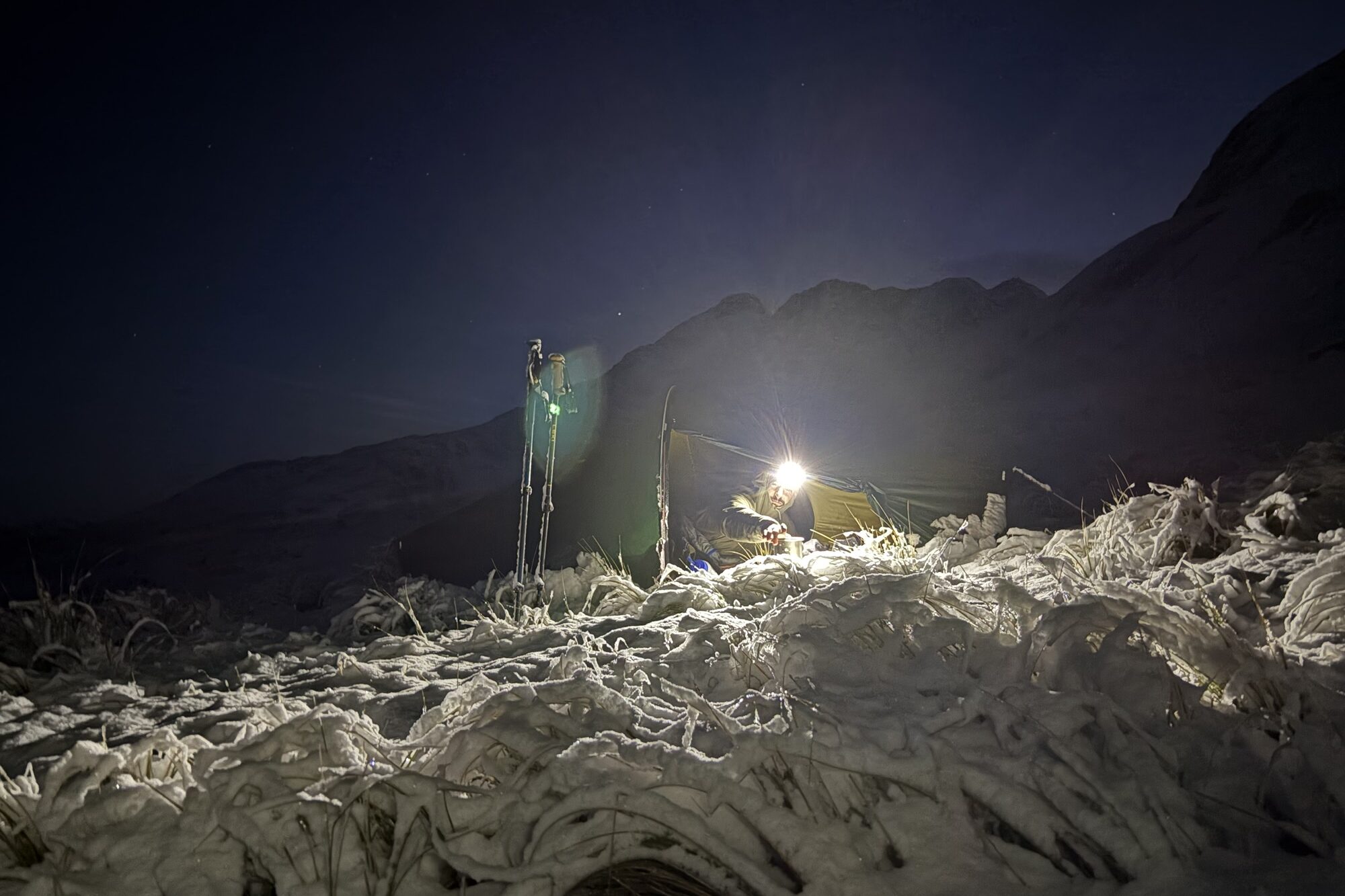
I swapped the Ringstind for a borrowed Hilleberg Enan. The others carried the Supercell.
The route was brutal. At one point I described it as a knife fight with a drunken monkey.
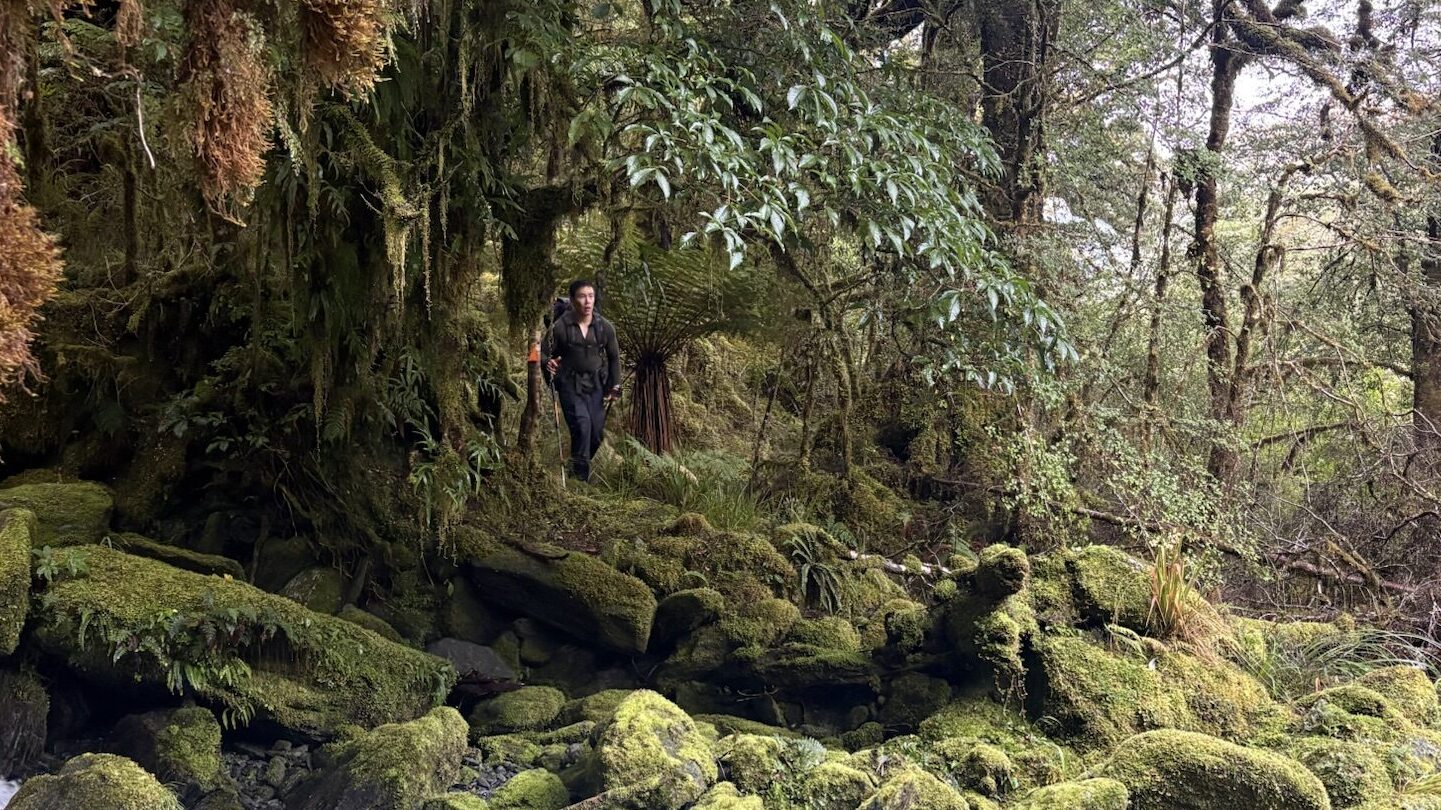
After six hours of battling monkey scrub at the head of the river we searched for somewhere flat enough to camp.
Months earlier, this would have worried me.
Now I only needed flat ground.
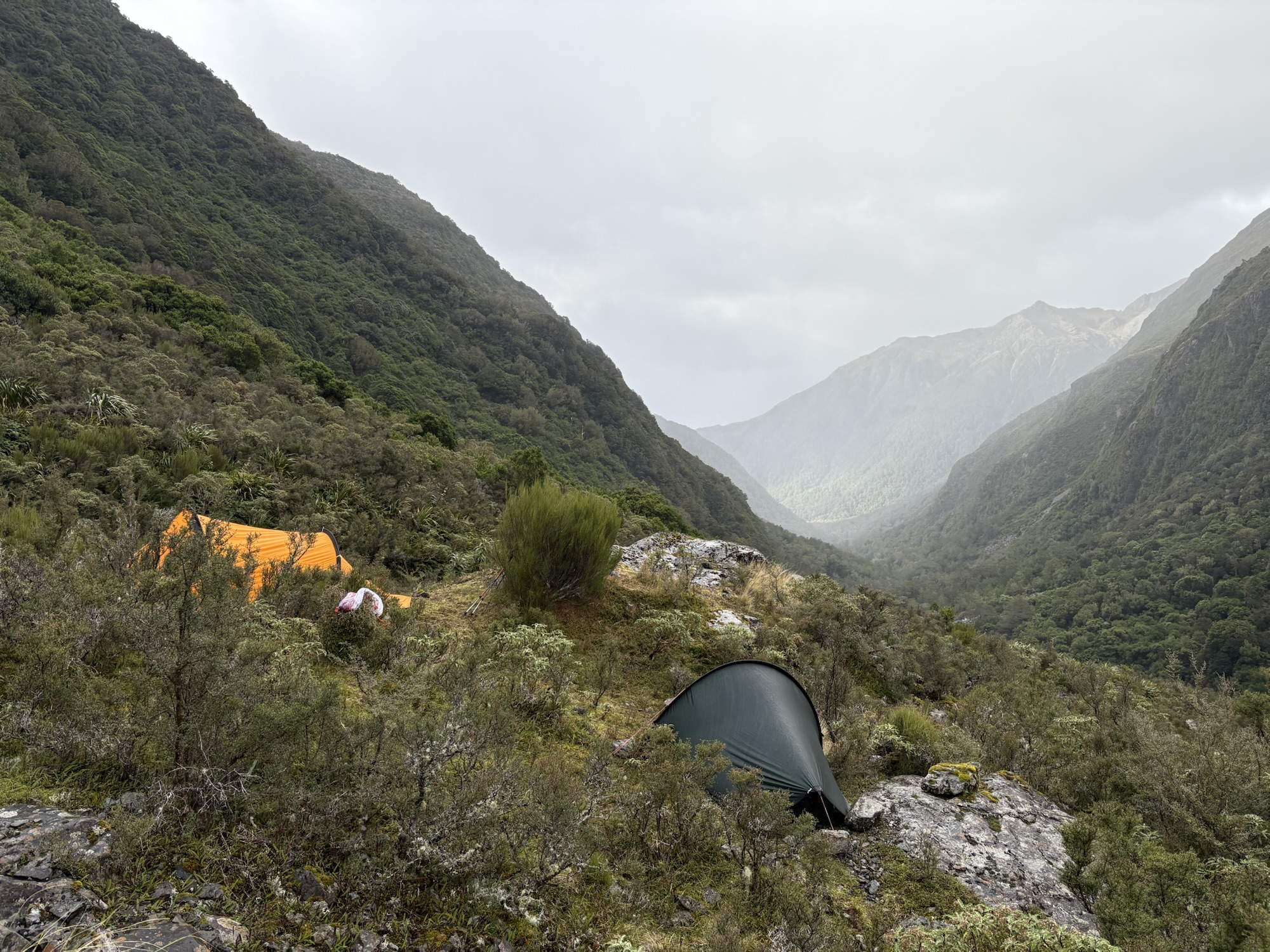
We found a marginal campsite on the edge of a creek slip two hundred metres above the valley floor.
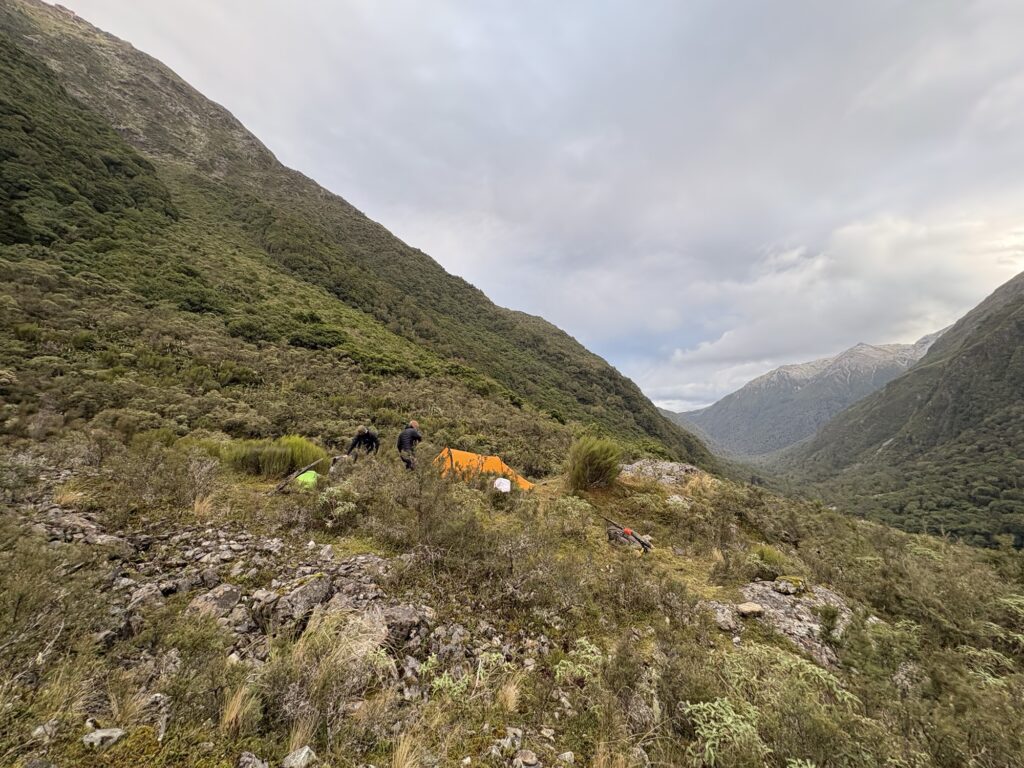
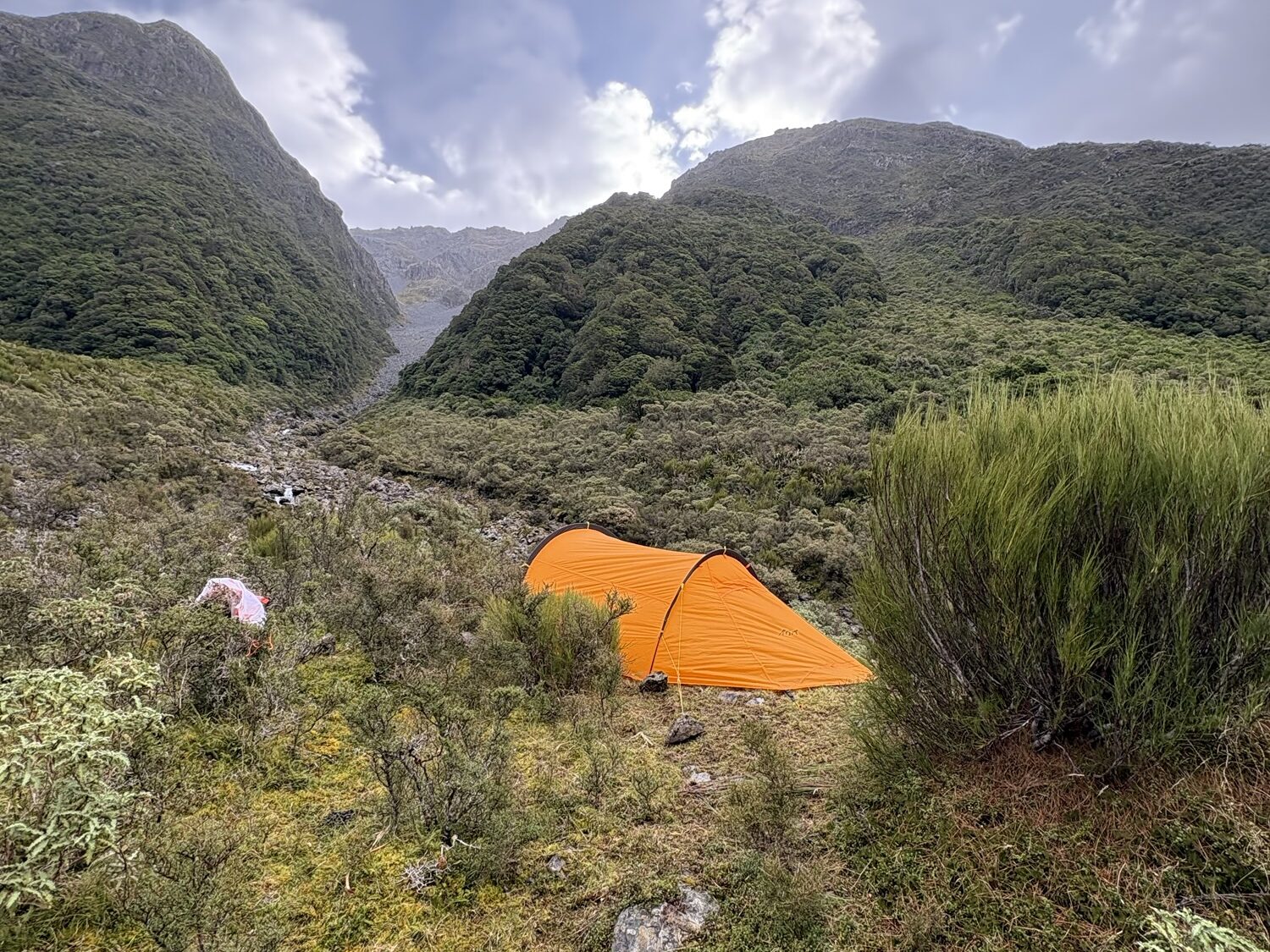
The wind hammered us all night.
Temperatures dropped below freezing.
We slept warm, safe, and relatively comfortable.
With lighter tents we likely would have retreated to the riverbed and lost time and position again.
That is the trade.
Three-season tents save weight.
Four-season tents buy freedom.
Freedom to camp high.
Freedom to stay in the game.
Freedom to survive poor campsite selection, bad forecasts, and New Zealand’s habit of turning mild weather into violence with very little warning.
The Mont Supercell is heavy.
There is no escaping that.
But I am beginning to think it is not dead weight.
It is capability.
And in New Zealand’s alpine country, capability matters.