By Seth Brown – Resilient Hunter NZ
January Reality Check — Motivation Is Cheap, Fitness Is Not
It’s the New Year.
Gyms are flooded with people full of intent, all chasing a better version of themselves after a holiday season remembered for too many green bottles and too many servings of brined ham. We can all go and join Les Mills, pay a hundred dollars a month, and then realistically attend twice a year. That’s not a criticism—that’s their business model, and it works because motivation is easy to buy and hard to maintain.
For the average New Zealand hunter, January is an interesting contradiction. While the rest of the country is “resetting,” the hills are alive. There are animals on their feet, larger stags feeding in soft velvet after summer, and hinds moving through the bush with fawns underfoot. From a purely opportunity-based perspective, this is one of the more productive times of year to be in the field gathering venison.
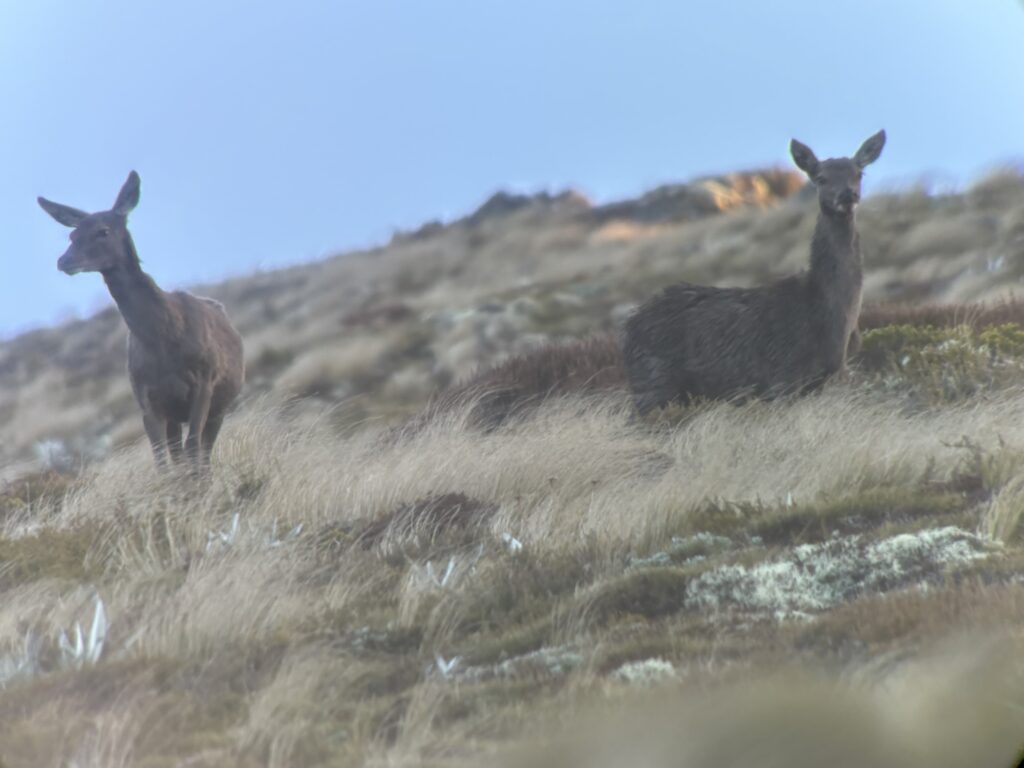
But January is also when many hunters start lying to themselves about preparation.
In a previous article, I made the point that the work required for the roar does not begin in the early months of the same year. It begins immediately after the previous roar ends. Aerobic capacity, VO₂ max, load tolerance, and mental resilience take time to build. Three or four months is not long enough to develop meaningful, durable fitness for back-country hunting.
We’ve all seen it. Most of us have lived it.
You’re glassing in the peak of the roar and you spot the biggest public-land stag you’ve ever seen—and quite possibly ever will see. He’s across a basin, tucked into nasty country. You look at the map, look at the clock, and think:
“It’s too far to get to today. I’ll come up with a plan tonight and go there tomorrow.”

How many times have you seen this at last light, at ranges of over 2000m and elevations you can’t imagine yourself climbing before the sun sets? Be physically prepared to move on game at speed.
But the reality is simple and brutal: you can’t kill what you can’t see. There is every chance that animal won’t be there tomorrow. He might shift blocks, go silent, or disappear into country you can’t access in time. That moment—the one that decides whether a hunt is successful or just a story—depends entirely on whether you were physically and mentally capable of acting right then.
Success is rarely defined by how motivated you feel during the roar.
It’s defined by how disciplined you were in the year prior.
January isn’t about grand resolutions. It’s about honest assessment, deliberate planning, and committing to a process that will still matter when motivation fades and the hills start asking real questions.
1. Plan Early — Reconnaissance Before the Pressure Arrives
In a previous article, How Tactical Training Influences Hunting, I spoke about the importance of reconnaissance. That same principle applies here, and January is the ideal time to begin.
Now—before the roar, before hard velvet turns to stripped trees, before the alpine species start rutting—is when you should be doing every form of reconnaissance available to you.
Start with maps. Topo layers, satellite imagery, slope shading. Start identifying access points, travel corridors, basins that will hold animals once pressure increases. Start making notes—actual notes, not just mental placeholders you’ll forget by March.
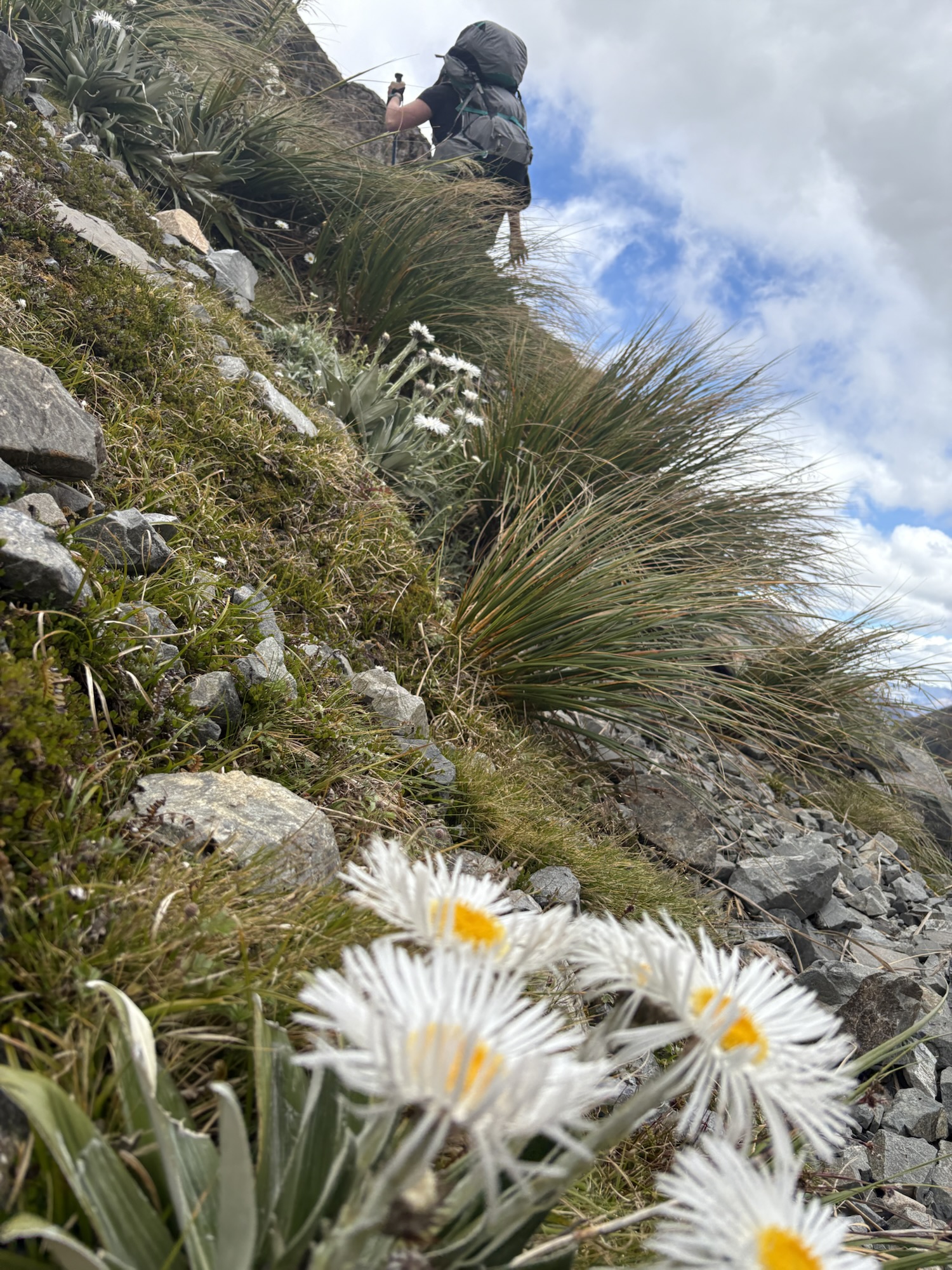
Then, start visiting the country you intend to hunt later in the year. What looks manageable on a screen often isn’t in reality. Faces are steeper. Bush is thicker. Tracks are gone. Rivers behave differently than expected. Discovering these things in January costs you nothing. Discovering them in April costs you opportunity.
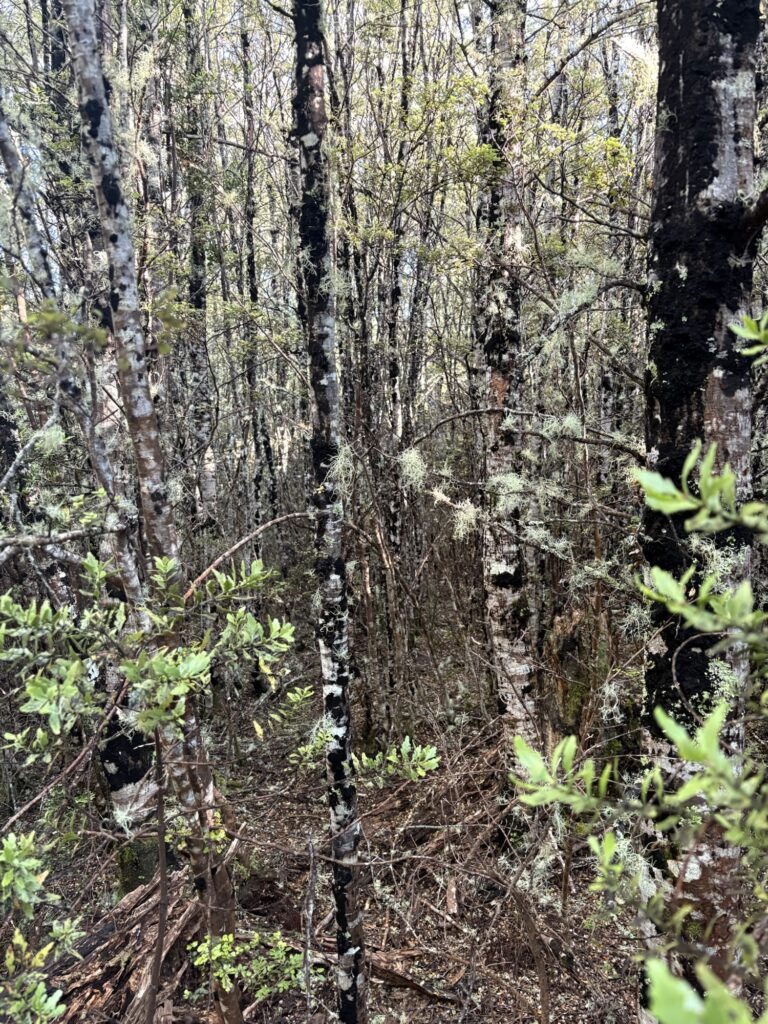
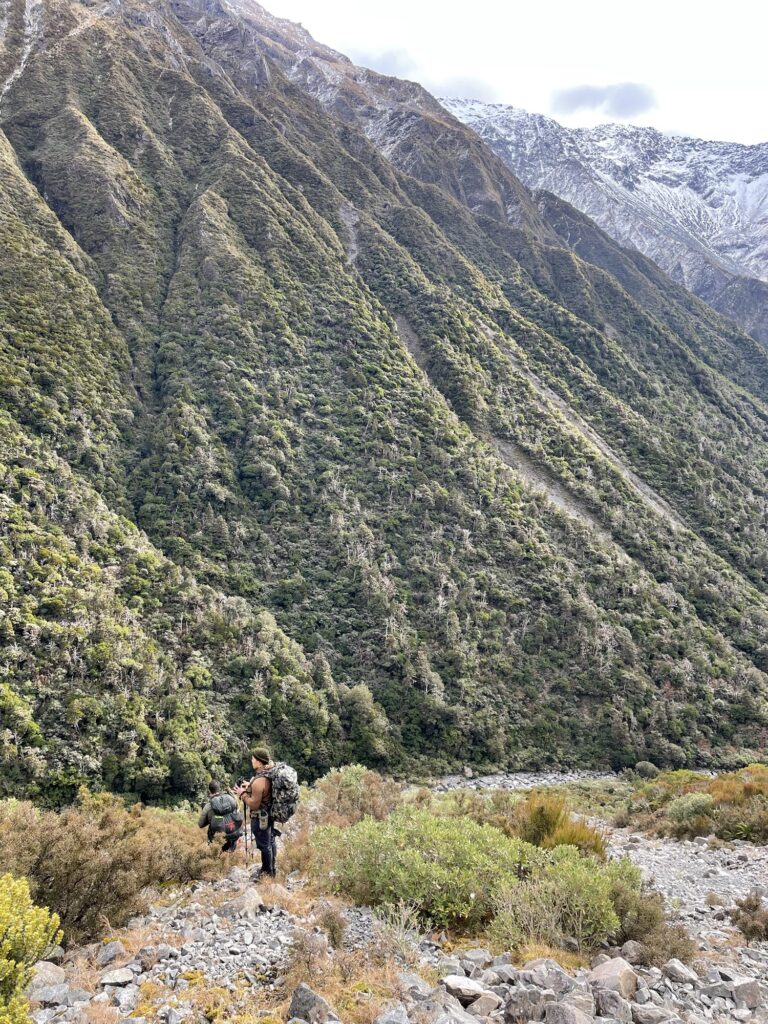
Above: Two common realities of reconnaissance, finding out the bush is thicker than you thought, and the country is steeper than the topographical map would have you believe.
Rod & Rifle Magazine, Volume 47, Issue 1 (2026) includes a very good article by Ben Brown that outlines several key considerations when choosing a hunting location. It’s worth reading and revisiting now, while you still have time to adjust your thinking and your plans.
Reconnaissance reduces uncertainty. The less uncertainty you carry into the season, the more decisively you can act when it counts.
2. Commit Now — Build the Habit Before the Season Tests You
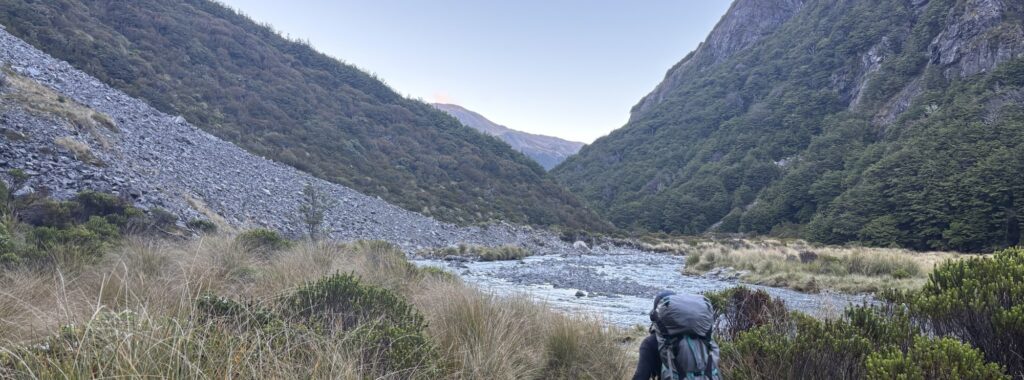
One of the biggest advantages I’ve built into my own hunting is commitment through routine.
I work an on-call / off-call job—one week on, one week off. In 2025, I made a conscious decision that every weekend I was off-call, I would be in the hills. Hunting, hiking, fishing—any form of back-country movement counted.
This happened regardless of weather, company, location, or how the working week had gone. If Saturday was free, I was going somewhere. Often that meant heading out alone.
Solo trips are mentally demanding in a way many hunters underestimate. The kilometres feel longer. The silence is heavier. There’s no shared decision-making and no one to offload responsibility onto. But there’s also clarity.
Some of the hunters I respect most hunt almost exclusively alone, for long periods, and they’re consistently successful. One of them describes his approach as being “laser focused.” With no competing demands, your entire attention narrows to the pursuit. Decisions simplify. Excuses disappear.
The most important part of this is commitment. If you’ve decided you’re going somewhere, you go. Short of killing your target species en route, or injuring yourself, you continue to that destination. Removing the option to quit early changes how you approach terrain, fatigue, and discomfort.
January is the time to commit to that course of action—before motivation becomes the deciding factor.
3. Equipment Matters — Eliminate Failure Points Early
January is also the right time to look critically at your equipment—before the peak season magnifies every weakness.
On a back-country chamois hunt in September, a friend and I were discussing rifle optics. I made the comment—only half joking—that I choose Nightforce optics because they don’t lose zero when paired with decent rings and torqued correctly.
I have easy access to rifle ranges—within twenty minutes of home—but even then, that’s a forty-minute round trip during the working week. I don’t have time to repeatedly confirm zero because of sub-optimal optics, questionable mounts, or inconsistent tracking.
A scope might cost several thousand dollars, but what is your time worth? How many unnecessary range trips per year does unreliable equipment force you into? How much physical and mental energy does it cost to walk into remote country only to discover—too late—that something isn’t right?
Over the past year, I’ve increasingly thought about the cost of failure after the effort has already been spent. The walking, the climbing, the fatigue—followed by an optics issue that results in a miss—is simply not worth the savings made by buying sub-optimal gear.
Manufacturers love to sell features: illumination, massive zoom ranges, proprietary coatings, extreme weight savings, low-light performance claims. But a rifle scope has one primary function—it is an aiming device. There is no reasonable situation where a hunter should decide that excellent light transmission compensates for a scope that doesn’t hold zero.
In 2024, I replaced a Nightforce ATACR—which had held a perfect zero for five years—with a lightweight Swarovski. It was noticeably lighter and initially seemed fine. But over time, impacts began walking left. Every hunt, every check, the same result.
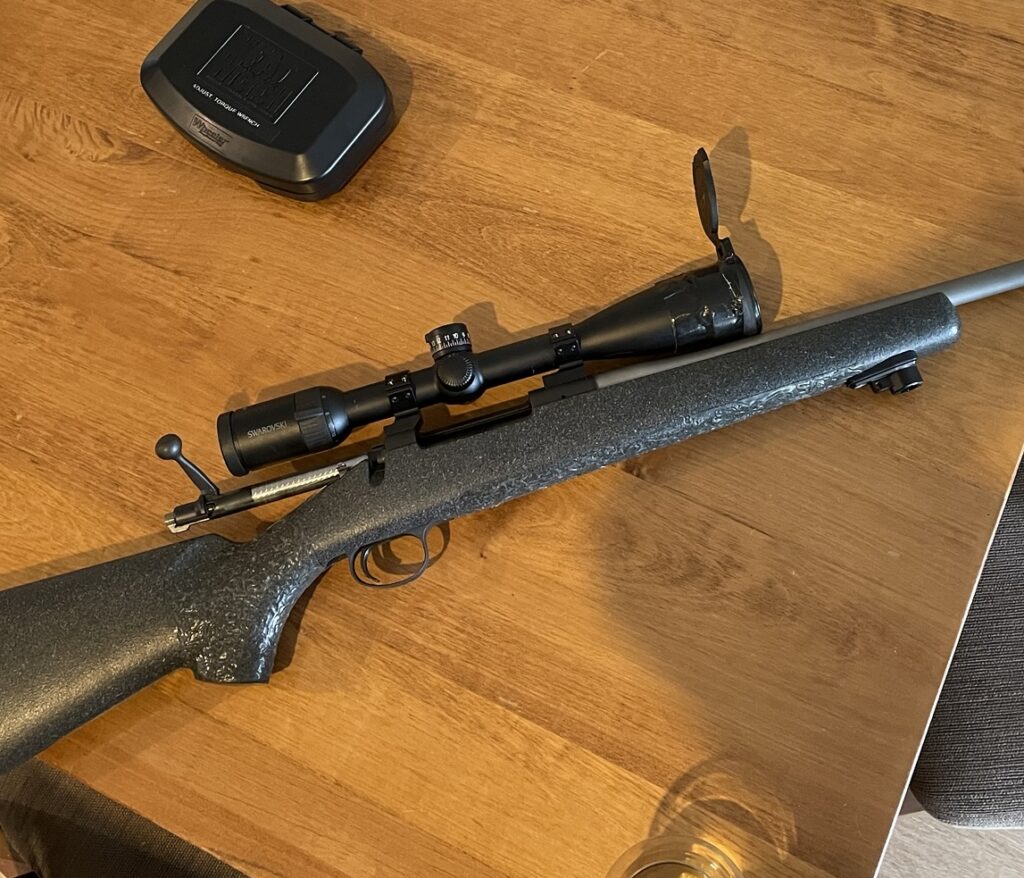
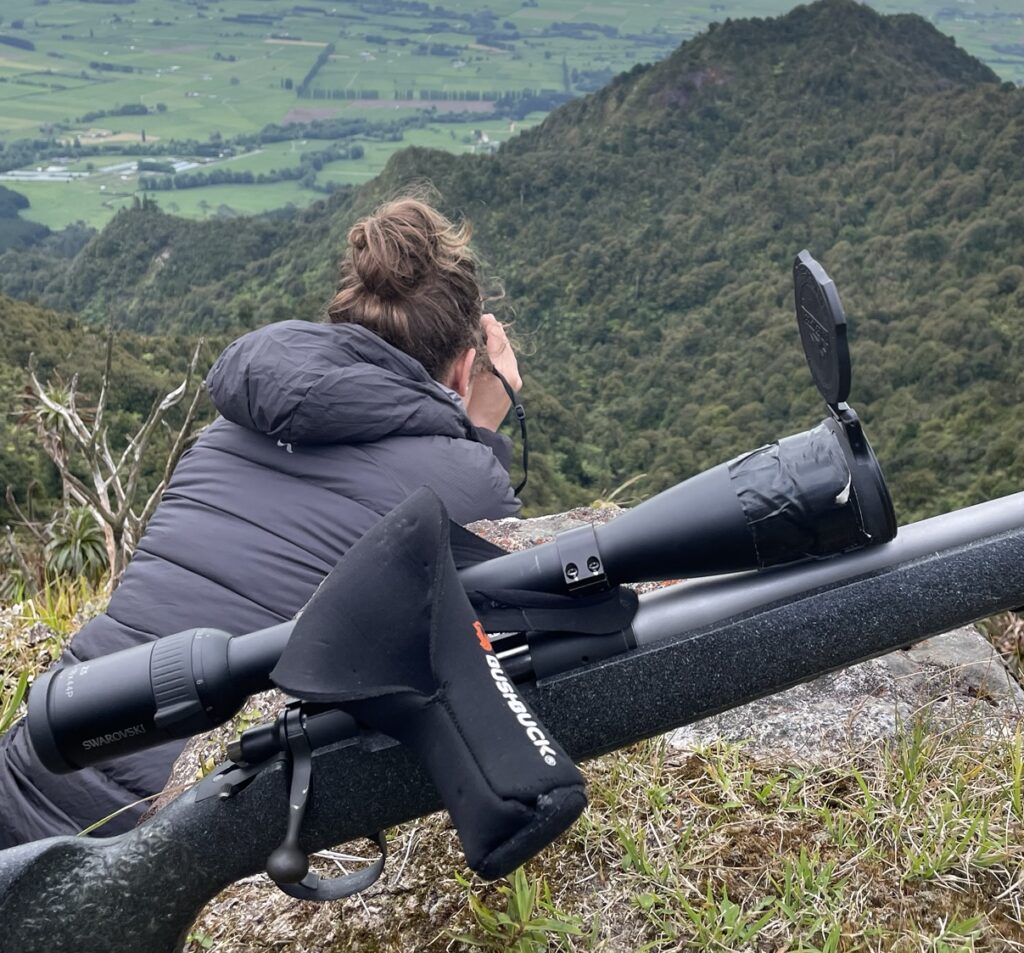
The Swarovski Z5, the source of so much frustration and confusion
The tipping point came after three hunts in fourteen days. A friend fired eight shots at a deer and missed cleanly. Only after applying extreme hold to the right did the ninth shot connect. That scope didn’t stay on the rifle much longer.
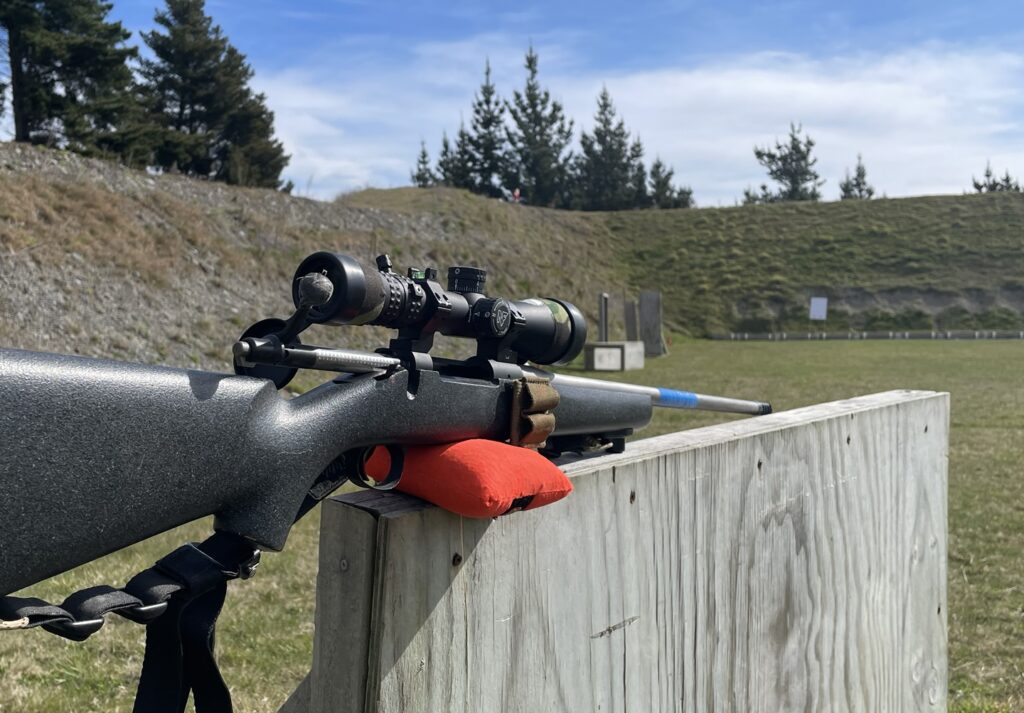
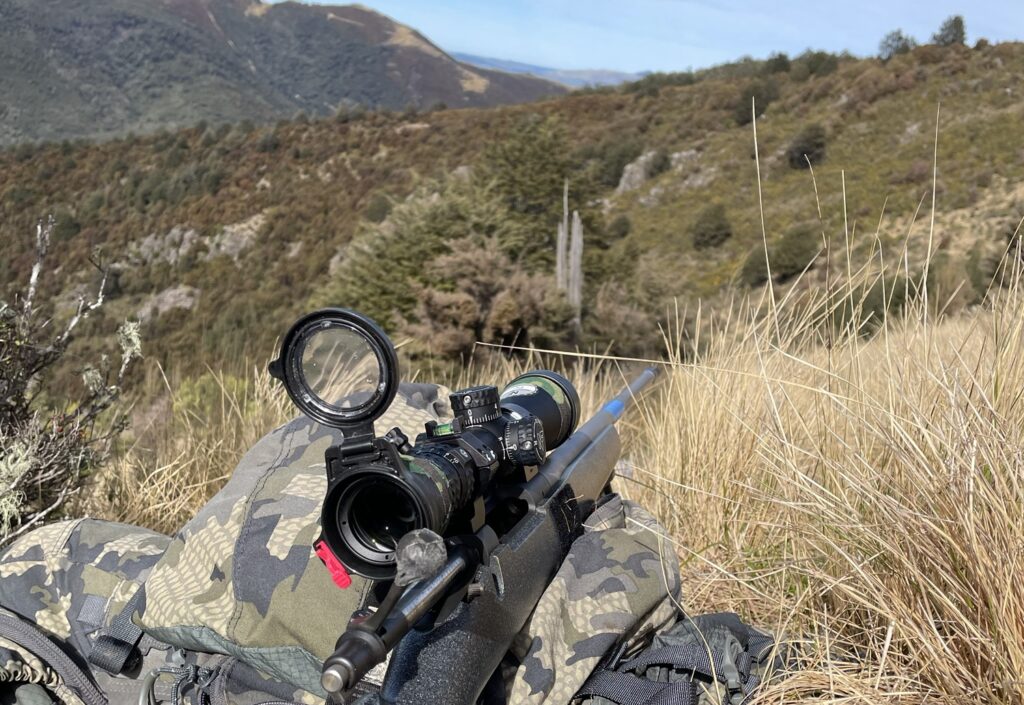
The replacement for the Swarovski, the Nightforce NXS, tried and true reliable performance.
January is when you identify and remove these failure points—before they cost you the moment that matters.
4. Maintain the Back-Country Engine — Fitness Is Not Seasonal
In Building the Back-Country Engine, I outlined the physical foundation required for effective hunting. What I didn’t emphasise enough at the time was maintenance.
January isn’t when training starts. It’s when training continues.
The roar and the alpine ruts are not single events—they are extended periods of elevated physical demand. Long days, repeated climbs, heavy loads, poor sleep, compromised recovery. You’re not peaking for a weekend; you’re sustaining effort for weeks.
This means training has to reflect continuity, not a short-term peak.
Recovery is a critical part of this process, and one that’s often dismissed. This will draw scepticism from parts of the hunting community, but it needs to be said: structured recovery matters, particularly as you move into middle age.
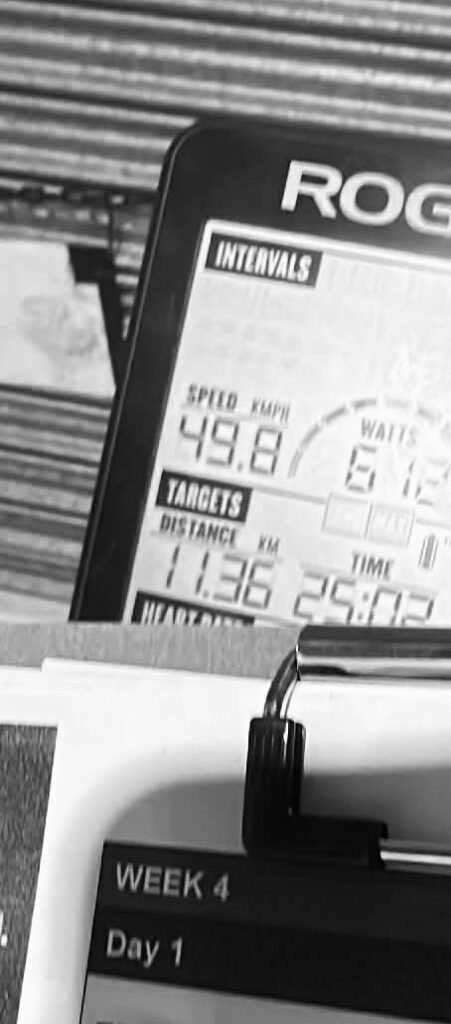
Over the past year, I’ve found hot yoga to be extremely beneficial. Strength, stability, flexibility, controlled breathing, and heat exposure combined in a way that complements high volumes of back-country movement. When paired with hot- and cold-exposure strategies, it has improved both my recovery and my ability to sustain training.
When I was younger, I could push hard indefinitely and remain injury-free. That margin narrows with time. Ignoring recovery doesn’t make you tougher—it just shortens your effective lifespan in the hills.
Finally, hunting fitness cannot be treated like preparation for a single event. Unlike an Ironman, hunting is not something you taper for and then stop training once it begins. Hunting is the continuation of training. By all means, reduce load before long trips, but don’t abandon physical work once the season starts.
When life intervenes—as it inevitably will—remember that something is better than nothing. The season rewards consistency, not perfection.
Closing — January Sets the Tone
The 2026 season will reward the same people it always does: those who plan early, commit honestly, eliminate avoidable problems, and maintain their physical capacity long before the pressure arrives.
January is not about motivation.
It’s about systems.
Reconnaissance now.
Commitment now.
Equipment sorted now.
Fitness maintained now.
Do those things, and when the roar starts and the alpine animals come into rut, you won’t be scrambling to catch up. You’ll already be hunting.