By Seth Brown – Resilient Hunter NZ
“Plan for what it is difficult while it is easy, do what is great while it is small”
– Sun Tzu, “The Art of War”
In tactical environments, “Shoot/No Shoot” is about making the right call under pressure — when lives are on the line, and the wrong decision can’t be undone. In the backcountry, the stakes are different, but the principles remain the same. For hunters, the decision isn’t just whether you can take the shot — it’s whether you should.
Hunting in New Zealand’s mountains requires more than marksmanship. It’s about:
- Planning and reconnaissance before a trip.
- Reading maps and country to anticipate where animals are likely to be.
- Making sound movement decisions that balance stealth and safety.
- Weighing risk vs reward before committing to a stalk.
- Managing stress and fatigue so that judgement isn’t clouded in critical moments.
Once in front of an animal, the final moment comes down to more than crosshairs and a trigger pull — it’s about ensuring the shot won’t turn into a rodeo, where poor placement leads to a long, exhausting recovery.
My background in tactical policing has taught me the value of rehearsals, equipment checks, and teamwork under pressure. Those lessons apply directly in the hills, where a dead battery or misplaced piece of gear can turn a stalk into a missed opportunity. Just as importantly, stress management and the ability to recognise when excitement or exhaustion are impairing judgment are vital.
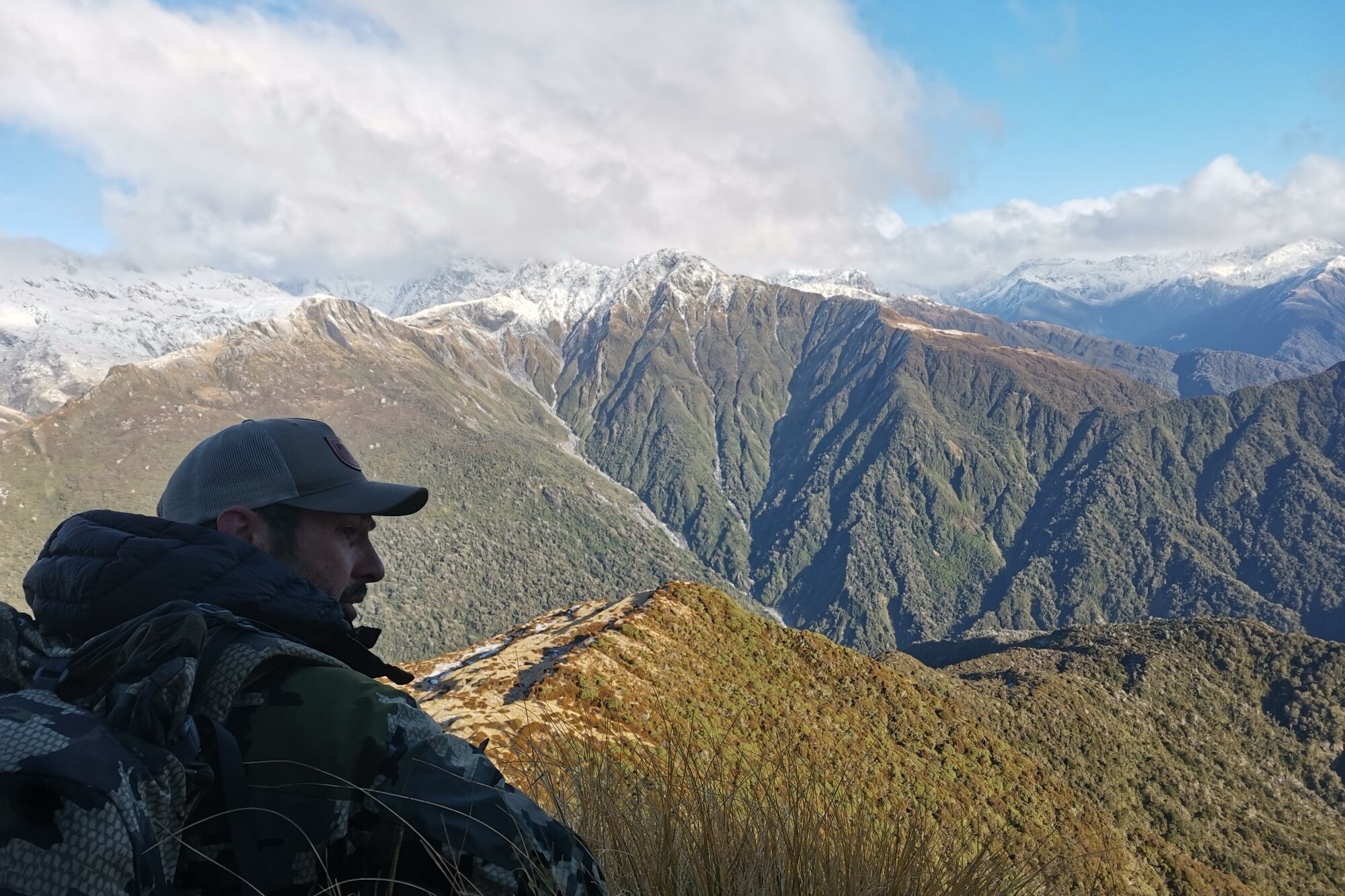
This article explores how tactical decision-making principles — reconnaissance, map study, movement, risk assessment, shooting positions, rehearsals, teamwork, and stress management — can make you not just a better marksman, but a more resilient and effective hunter.
Reconnaissance – More Than Just a Look Around
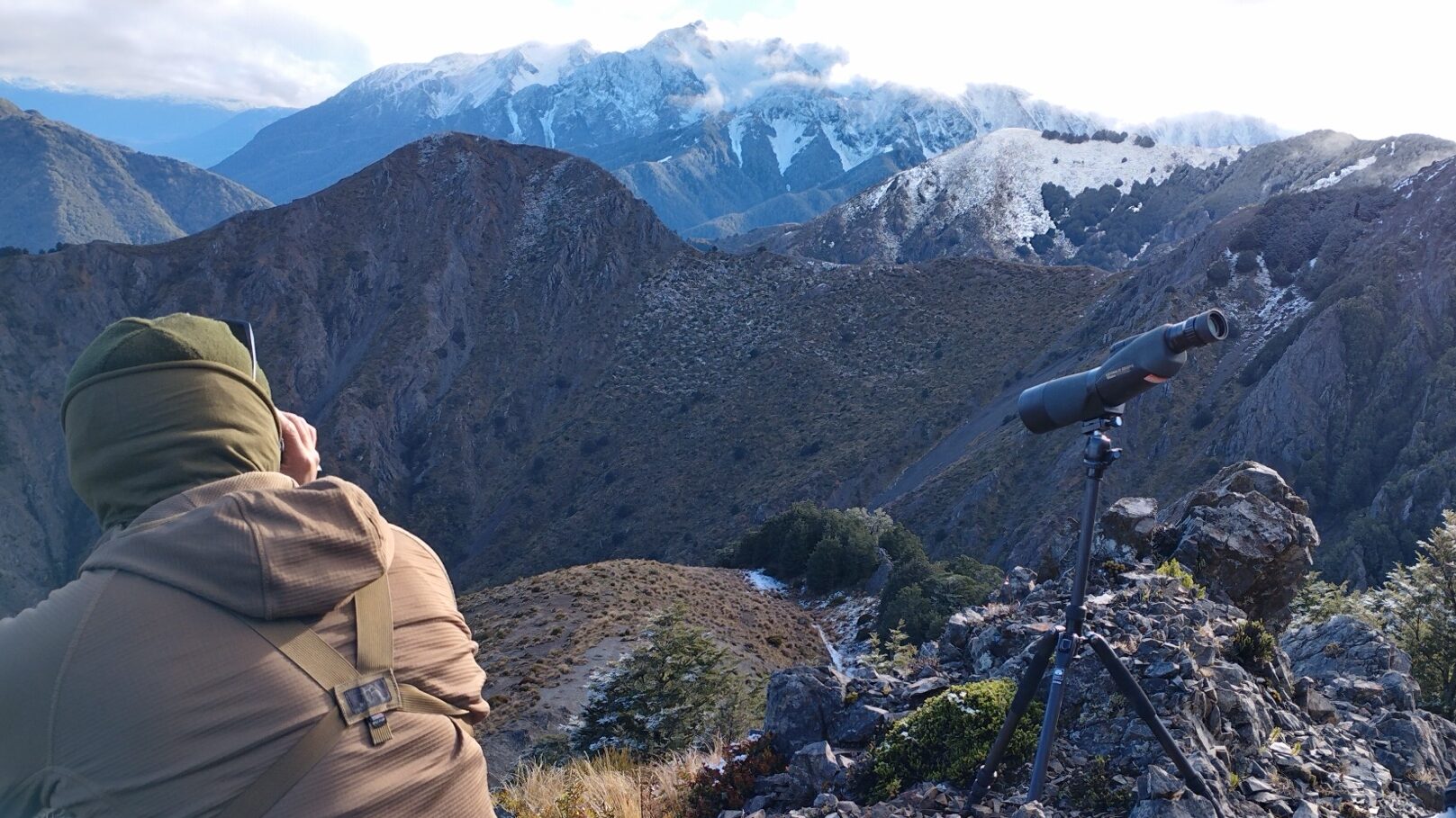
Every successful operation, tactical or otherwise, begins with reconnaissance. In hunting, it’s no different. Your early trips into the hills form the foundation of later success.
I’ve spent many hours in the South Island high country before the stags are in hard antler, with four main objectives in mind:
- Identify mature animals worth targeting when the season opens.
- Find high-feed areas likely to hold hinds — where stags will gather during the roar.
- Assess safe access routes, especially in areas where weather can turn them dangerous.
- Locate suitable campsites that can withstand sudden southerly blasts.
Route reconnaissance isn’t just about getting in once. If you intend to return, knowing and mapping your route means you can get in faster, safer, and with less impact on the land. Sometimes, in the high country, it’s more efficient to wait out bad weather in a sheltered high spot than to retreat to lower country and waste hours of climbing.
Cover and Concealment – Campsite Realities
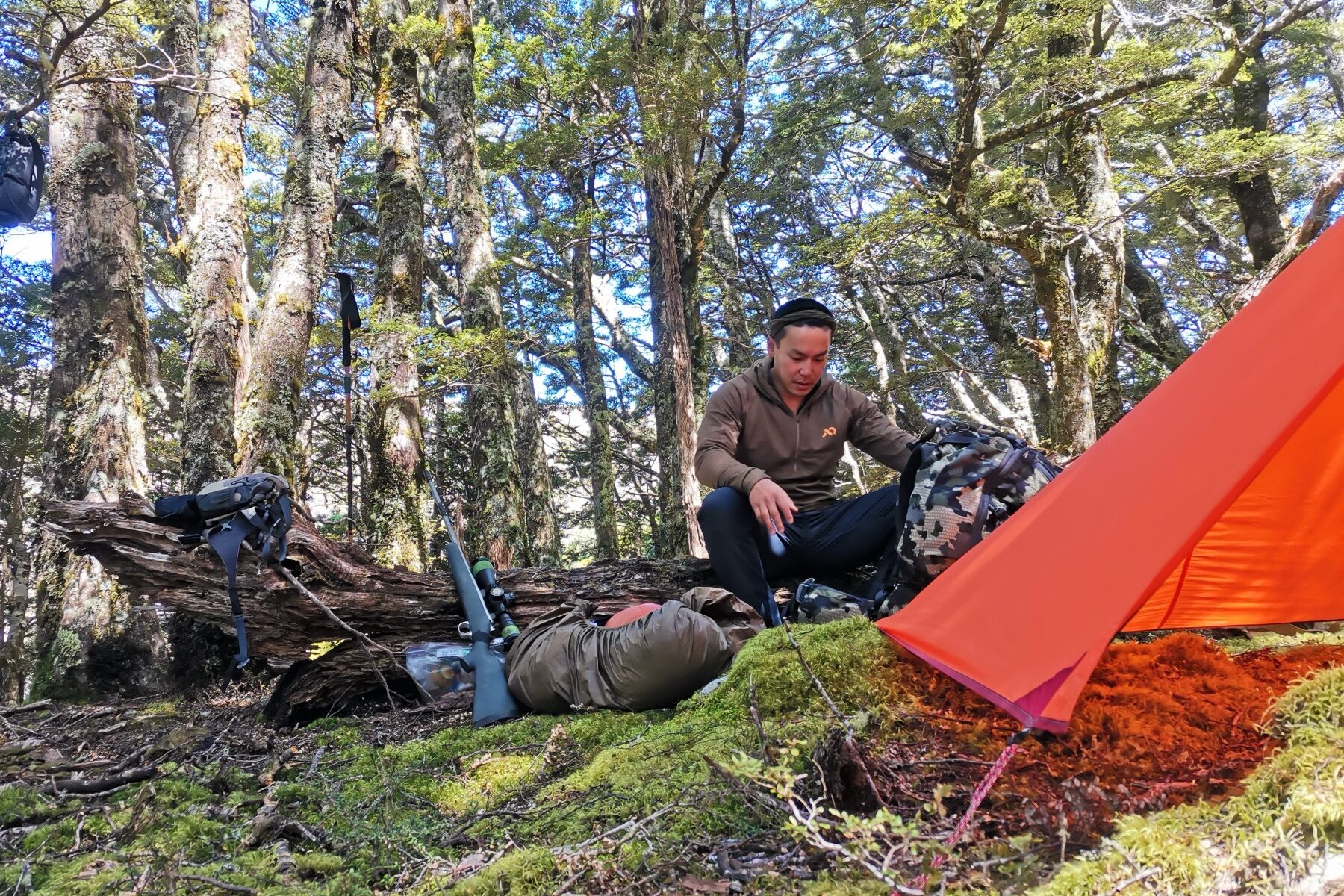
In tactical settings, where you lay up can mean the difference between life and death. In hunting, it’s rarely that critical. If you’re worried about fire smoke spooking animals, you’re camped too close to where you hunt — or hunting too close to where you camp. The real priority is weather protection and a solid night’s rest.
Map Study & Animal Behaviour
Recon doesn’t stop on the ground — it starts before you even step off. A good map recce allows you to anticipate terrain, likely animal movement, and environmental challenges.
In the New Zealand backcountry, compass direction plays a big role:
- North-facing slopes get the most sunlight, so in winter they often hold more feed and bedded animals seeking warmth. In late summer, they can become dry and feed-poor.
- South-facing slopes stay cooler and often hold better moisture, meaning good feed in summer, but they can be cold, damp, and less productive in winter.
- East-facing slopes warm early in the day, drawing animals to feed there in the mornings before they move to shade.
- West-facing slopes hold afternoon sun and can be productive in the late afternoon/evening, especially in cooler months.
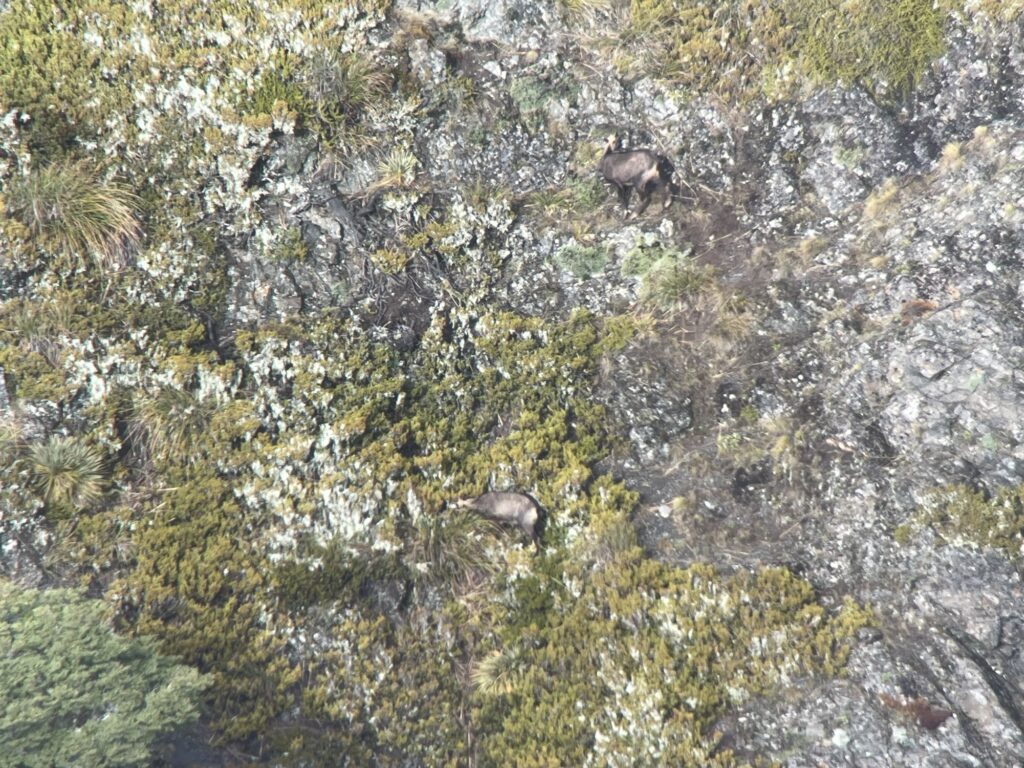
Another critical factor is wind, particularly in the South Island alpine and sub-alpine zones where large areas of exposed ground are common. Two types of winds dominate here:
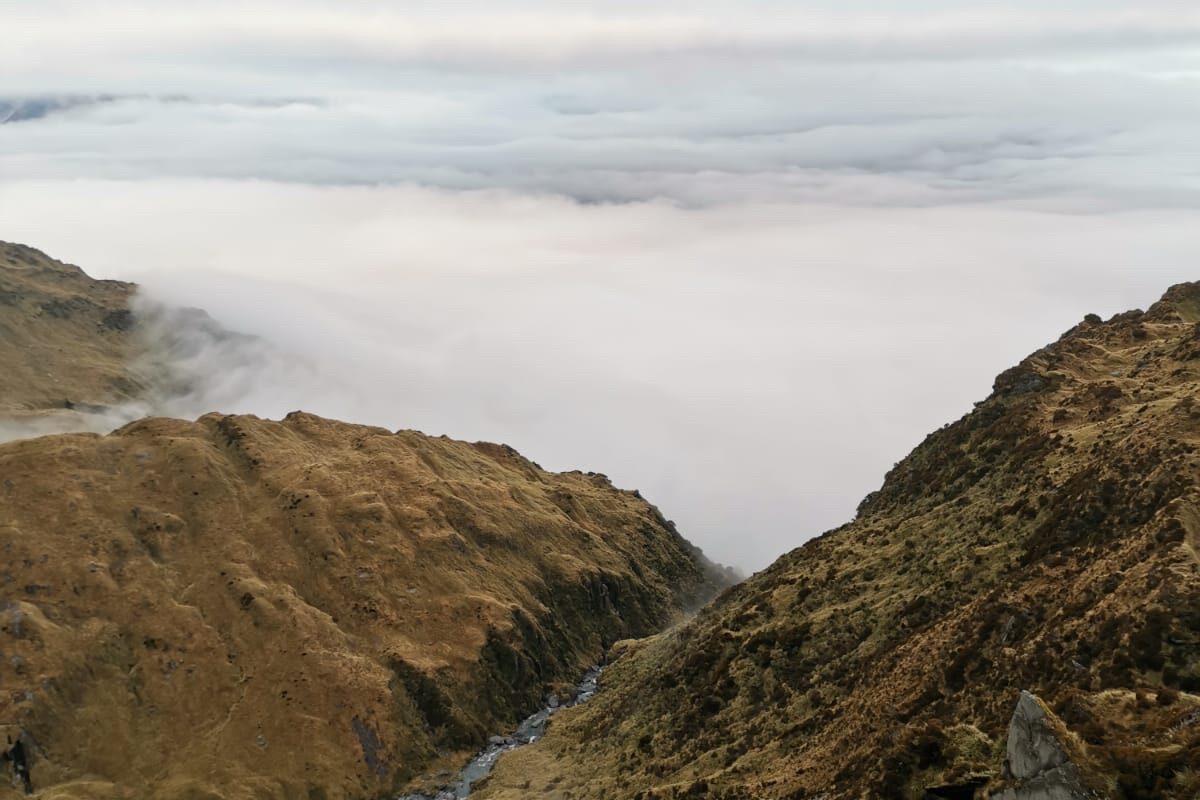
- Catabatic winds: As evening comes on and slopes cool — especially in river valleys shaded by western peaks — the air near the slope becomes denser and flows downslope, eventually pooling in the valley floor. This creates a downhill movement of air.
- Anabatic winds: The opposite effect occurs in the morning as the sun rises over eastern peaks. Warming slopes create less dense air, which rises upslope, causing an uphill airflow.
What does this mean for hunters?
Conventional wisdom says hunt downhill (from the tops) in the morning when winds are rising, and uphill (from the valley floor) in the evening when winds are falling. In practice, it’s not so rigid. My experience has been that catabatic and anabatic winds simply demand awareness. You need to consider what terrain lies above or below you, glass from ridge to ridge, and adjust your stalk accordingly.
These wind effects should always be factored into your map recces and ground reconnaissance — because even the best stalk plan can be ruined if the wind turns against you.
Movement Decisions – How Far, and to Where?
Once you’ve planned the route, the next decision is how far to push. Tactical experience teaches that overextending is just as dangerous as holding back. In hunting, your physical fitness defines your range.
Every approach route should balance:
- Stealth – minimising noise and staying out of sightlines.
- Wind – keeping scent from blowing into your target area.
- Safety – avoiding dangerous slopes, rivers, or avalanche-prone areas.
Sometimes pushing that extra ridge is worth it. Sometimes it’s a mistake you’ll pay for on the way out. The decision is always situational.
Risk vs Reward – The Tactical Threat Assessment
A hunter, like a soldier, must constantly evaluate risk vs reward. Not every target is worth engaging.
- Retrieval may be impossible without dangerous climbs or river crossings.
- Weather may turn against you before you can get out.
- The animal may be positioned where recovery will be slow or unsafe.
The easy part is squeezing the trigger. The hard part is living with the consequences.
Target Identification & Avoiding the “Rodeo”
Target identification isn’t just about spotting the animal — it’s about confirming whether the shot will end cleanly.
Bad shot placement can lead to a “rodeo” — a wounded animal requiring hours of tracking through broken country, or one that runs into steep, difficult terrain before dying. These situations aren’t necessarily dangerous, but they’re exhausting, time-consuming, and avoidable.
If the wind, range, or angle makes a clean kill unlikely, the best decision is to let the animal walk. It’s not just about the recovery work — it’s about respecting the animal and making the shot one you can stand behind.
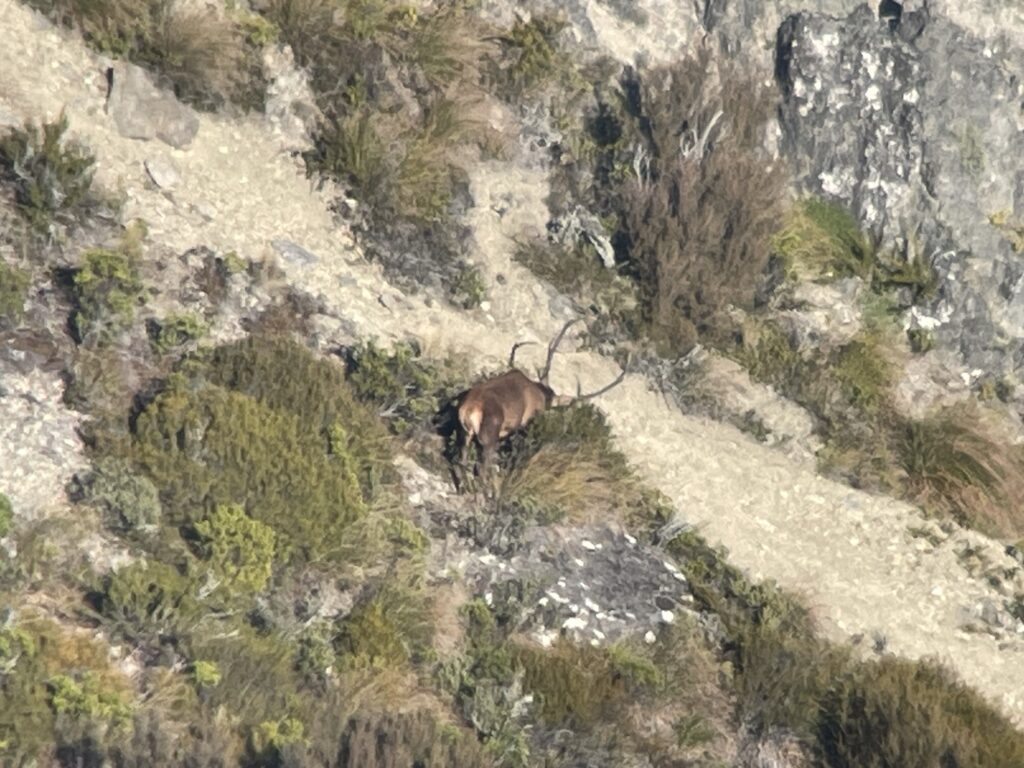
Rehearsals & Equipment Checks
Preparation isn’t only about carrying the right gear — it’s about rehearsing how you’ll use it.
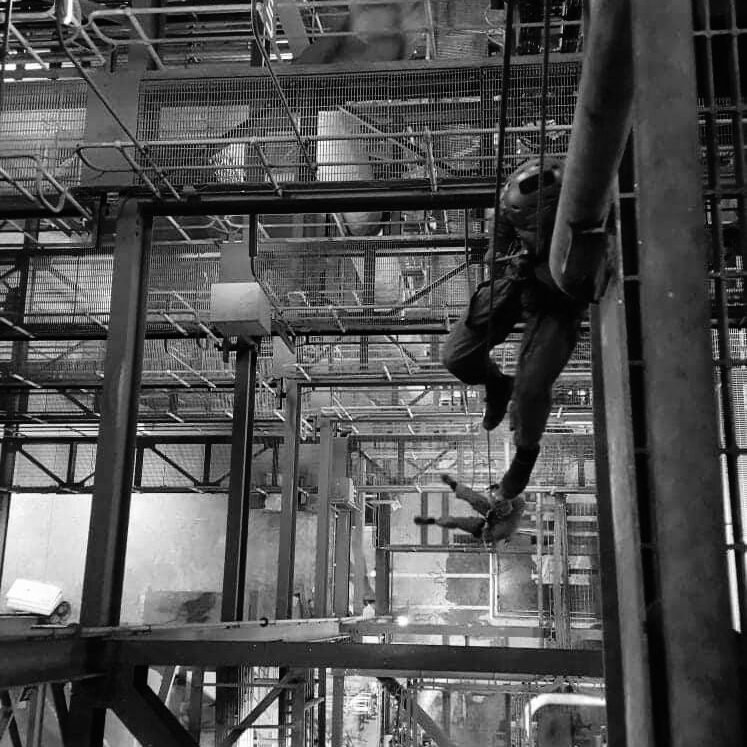
To me, rehearsals can be something as simple as changing a battery. In my line of work, I will often rehearse, prior to an operation, the simple things. An example of this is changing the battery in my night vision device without removing the device from my helmet. Something as basic as replacing a battery can be incredibly difficult if you’re not familiar with the exact process — but through simple practice it becomes easy.
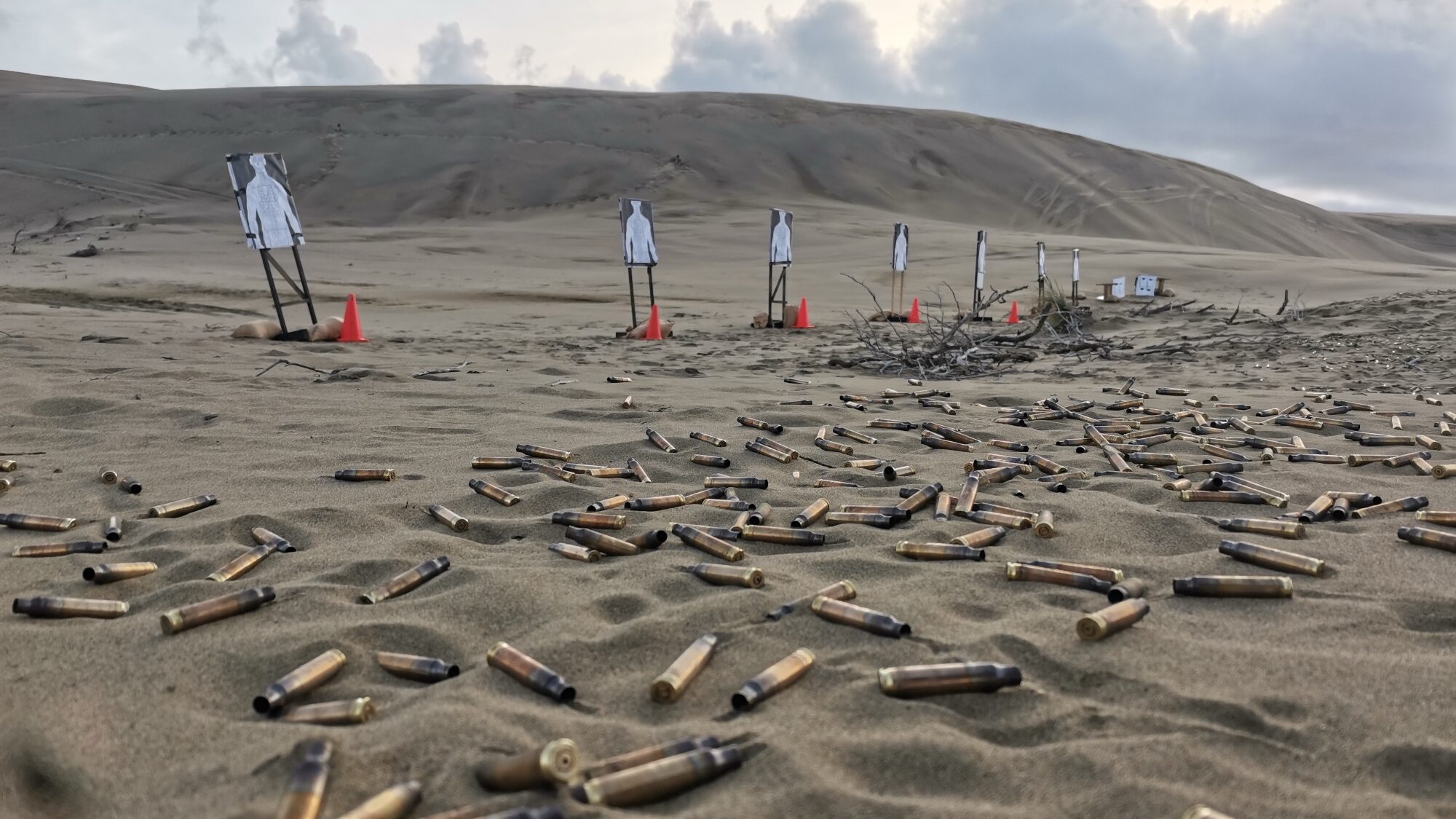
In a hunting context, this could be something that seems as simple as loading a rifle magazine, or reloading without looking. My current and previous main hunting rifles have had blind box magazines. That’s a deliberate choice on my part — reducing weight and complexity compared to detachable magazines. The trade-off is that seating ammunition requires pushing the rounds fully back into the box, which is harder to do by feel. On the range, I rehearse this from behind the rifle, where I can’t see the magazine, so that it’s second nature in the field.
A Lesson Learned
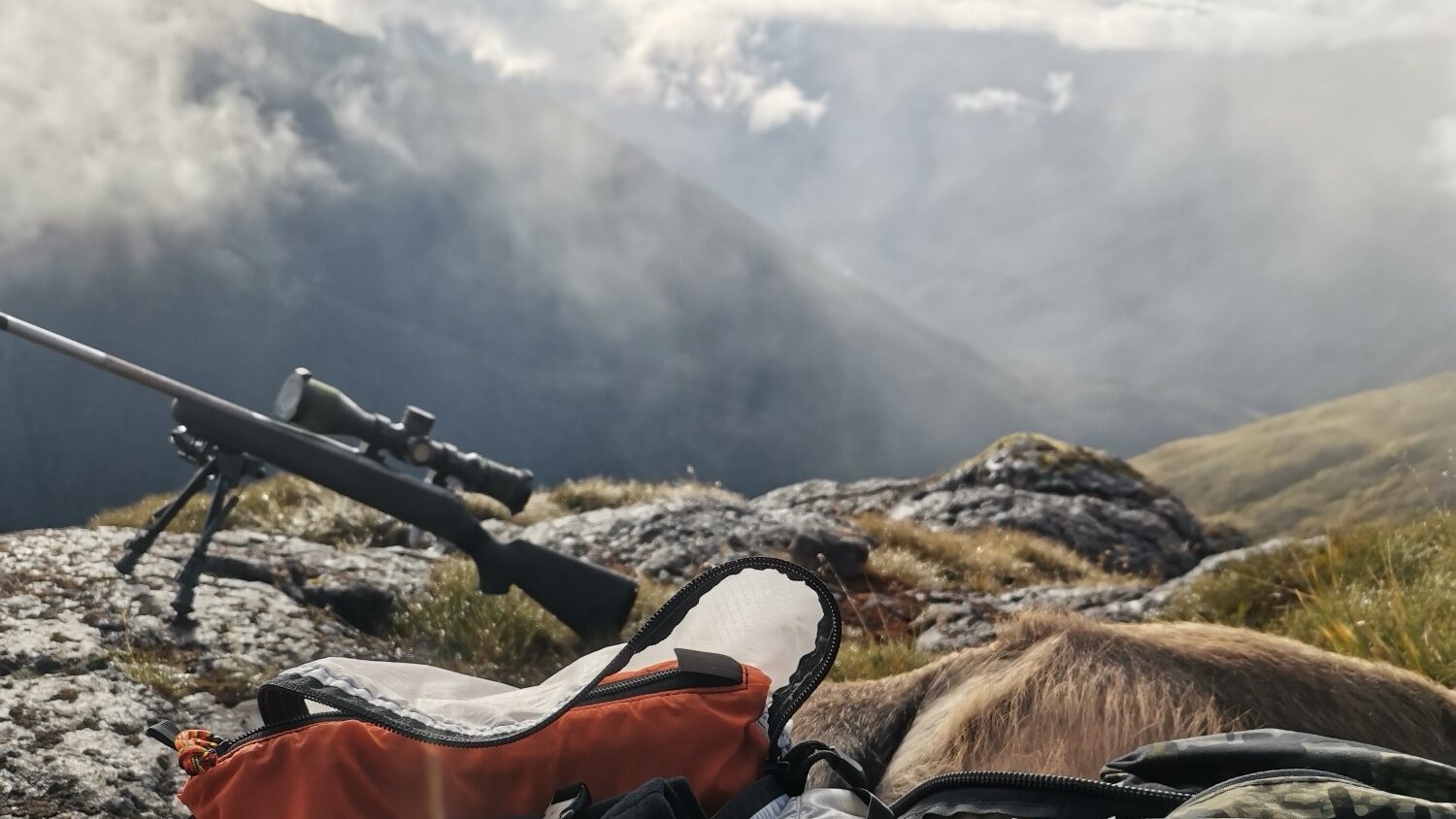
On a red stag hunt in March, I closed the distance to just over 400 metres on the biggest public-land stag I’d ever seen. I was carrying a Forbes 6.5-284. When I went to check my DOPE, my Kestrel was dead. I switched to the Strelok app on my phone — less accurate — and my first shot went over his back. Luckily, the muzzle brake let me spot my miss and correct with “Kentucky windage.” The stag is on my wall today, but the euro mount reminds me of a hard truth: Check your gear before you need it.
Shooting Position & Stability
When the shot comes, position matters just as much as the rifle.
I’ve owned and used three types of bipods in my hunting and “tactical” careers: the Harris SL, the Atlas, and the Spartan Javelin. From experience, none of these in isolation provides a universally effective solution for building a repeatable, solid field position.
Most “bipod theory” assumes you’ll lie prone with your body aligned on the rifle’s axis and use your toes to apply forward pressure to the bipod, creating a stable platform. Rarely do field conditions allow that neat setup. Most shots happen at odd angles — high or low — often hunched over a rock, a bush, or balanced on a narrow ridge above a downhill shot. I’ve found myself more times than I’d like doing my best impression of a cat, crouched over the rifle trying to steady it on an unforgiving piece of terrain.
I own a tripod — a bog-pod — and it has its place. I don’t use it for most field shooting. It’s primarily for flat-range training or unusual positions where you want to lift the rifle to a non-traditional height. The reason is simple: the field rarely allows a traditional, repeatable shooting position. When the terrain removes your ability to build a repeatable platform, other fundamentals become far more important: trigger control, consistent grip, and natural alignment.
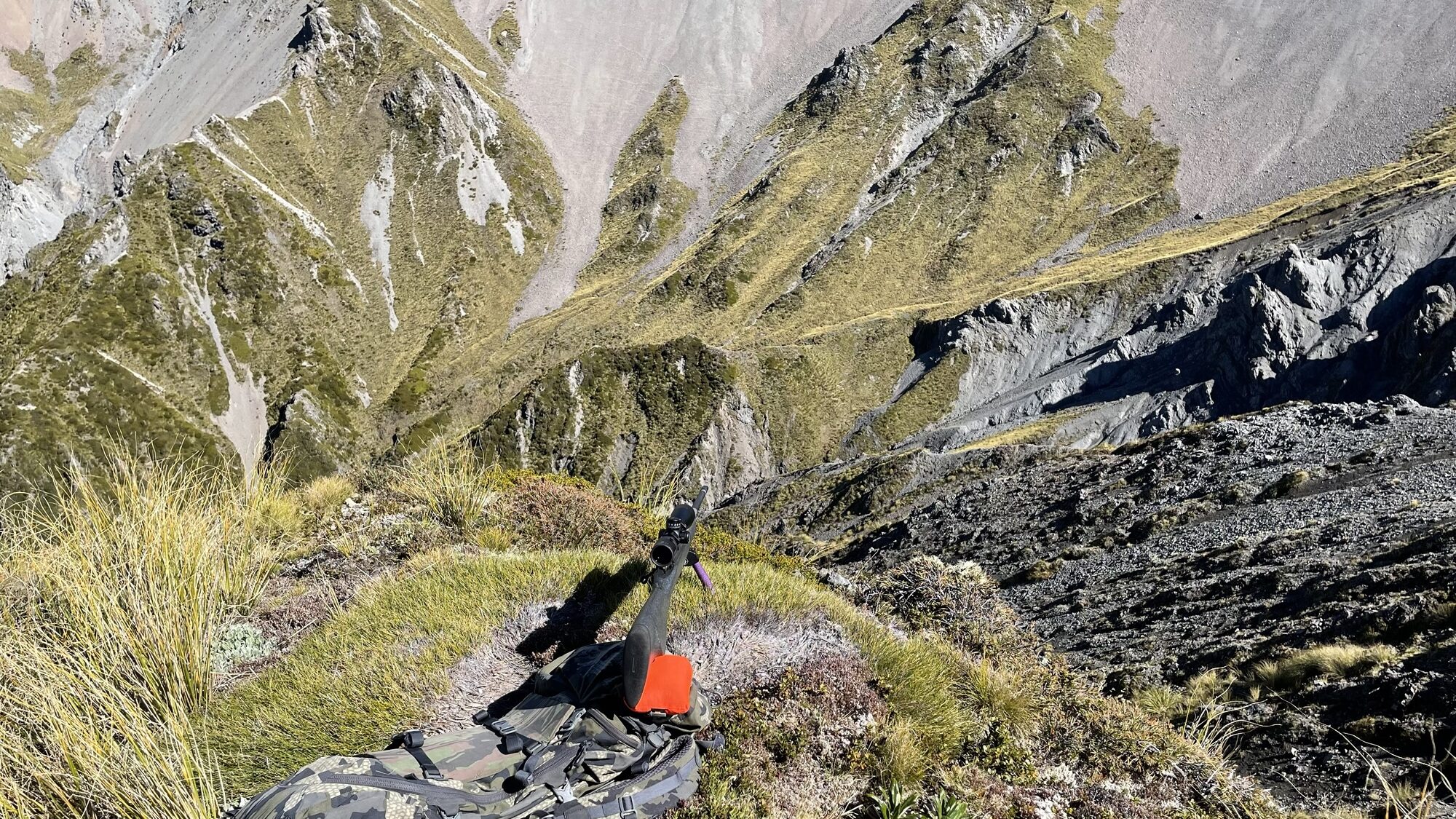
Train with bipods and tripods for the range; practise improvised, unsupported positions for the hills. Rehearse how you’ll stabilise the rifle around obstacles and test your ability to make a deliberate, controlled shot from whatever the land gives you. In un-repeatable and random terrain, consistency of the fundamentals beats reliance on a single piece of hardware every time.
Teamwork
No one hunts alone in spirit. Efficiency in the backcountry depends on how well you share the load.
Everyone in the military is familiar with the idea of “section stores” — critical items that allow a section to fight effectively, but are too heavy or bulky for one person to carry. These might be gun stakes, optics, extra ammunition, or defensive stores.
While not as life-or-death, the same principle applies in hunting. Sharing equipment makes the whole party more efficient in the hills. For example, we often carry one cook system between two or three people. That reduces redundancy and frees weight for more valuable items like spotting scopes or tripods, which serve the entire group’s mission: locating animals.
A more extreme example — and something I seldom see practiced in New Zealand — is reducing the number of rifles in a party. On backpack hunts, I often advocate for one rifle between two or three hunters. Realistically, in a single catchment, it’s unlikely more than one rifle will be fired at a time. In today’s era of ultralight gear, a 4kg rifle is still a significant burden. By leaving one rifle behind, that weight can be redistributed into optics, extra food, or comfort gear that benefits everyone.
Think of the total weight carried as team weight, not individual weight. That’s an essential aspect of teamwork in backcountry hunting.
Stress Management & Cognitive Load
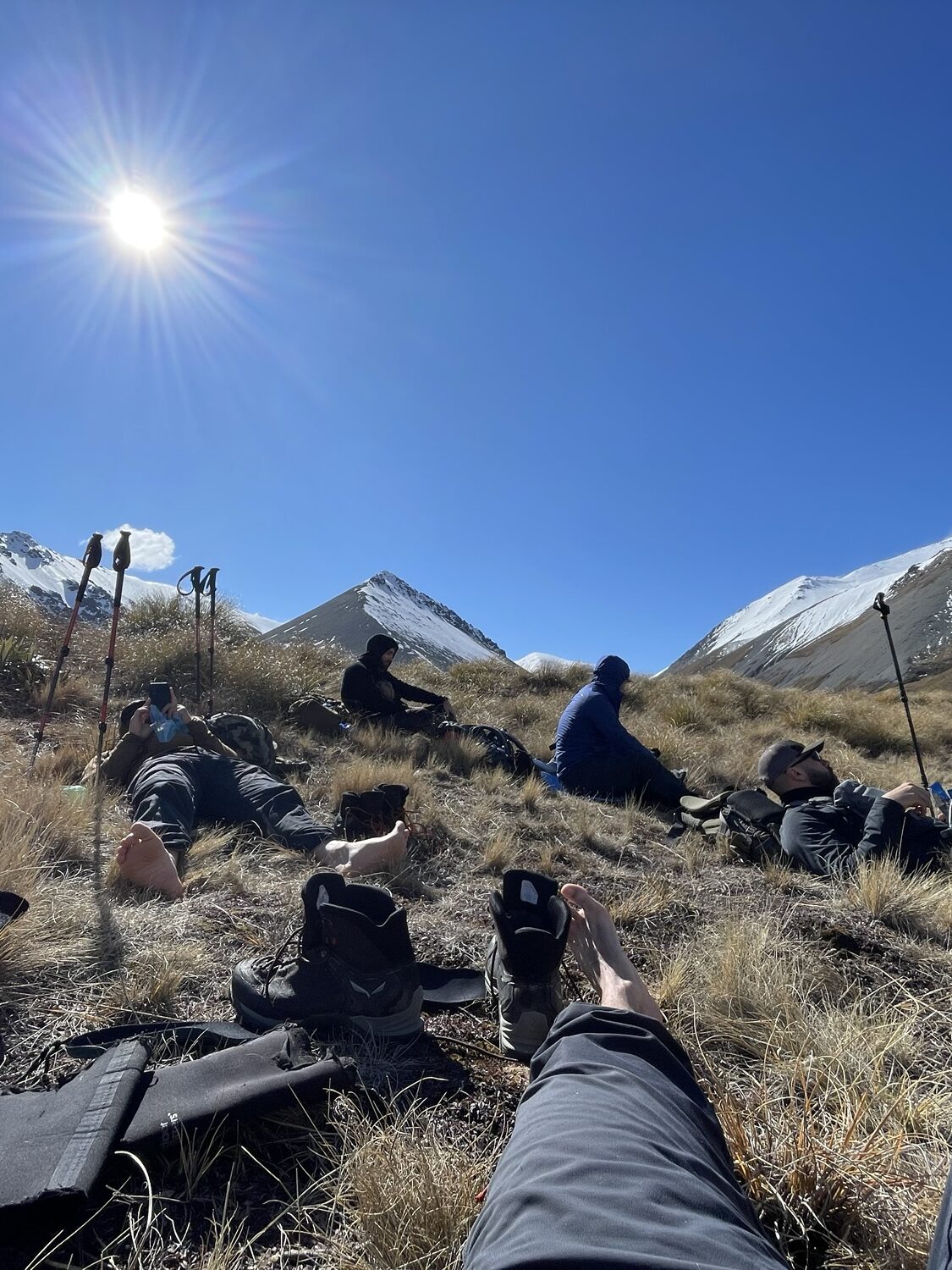
The final test in hunting is not the shot itself, but your ability to keep a clear head under pressure.
I hunt with a lot of Australians — fantastic people and fantastic hunters. But the country they’re used to at home is fundamentally different from New Zealand. The climate here is more varied and unpredictable, and two of the primary species they travel to hunt (chamois and tahr) live in steep, rugged alpine environments that are almost unheard of in Australia.
The biggest lesson I’ve learned is how to understand and perceive risk in broken country.
- “Is there run-out from this scree slope?”
- “Can I down-climb this section of ridge once I’ve climbed it?”
Knowing when you can’t go, even though you want to, is an important part of the journey. I remind myself, and those I hunt with, that no animal is worth dying for.
Many hunters experience “buck fever” — the overwhelming desire, driven by excitement, to close with and kill an animal as soon as they see it. I can’t blame them; drive and determination are good qualities. But there’s a difference between measured drive and reckless risks for success.
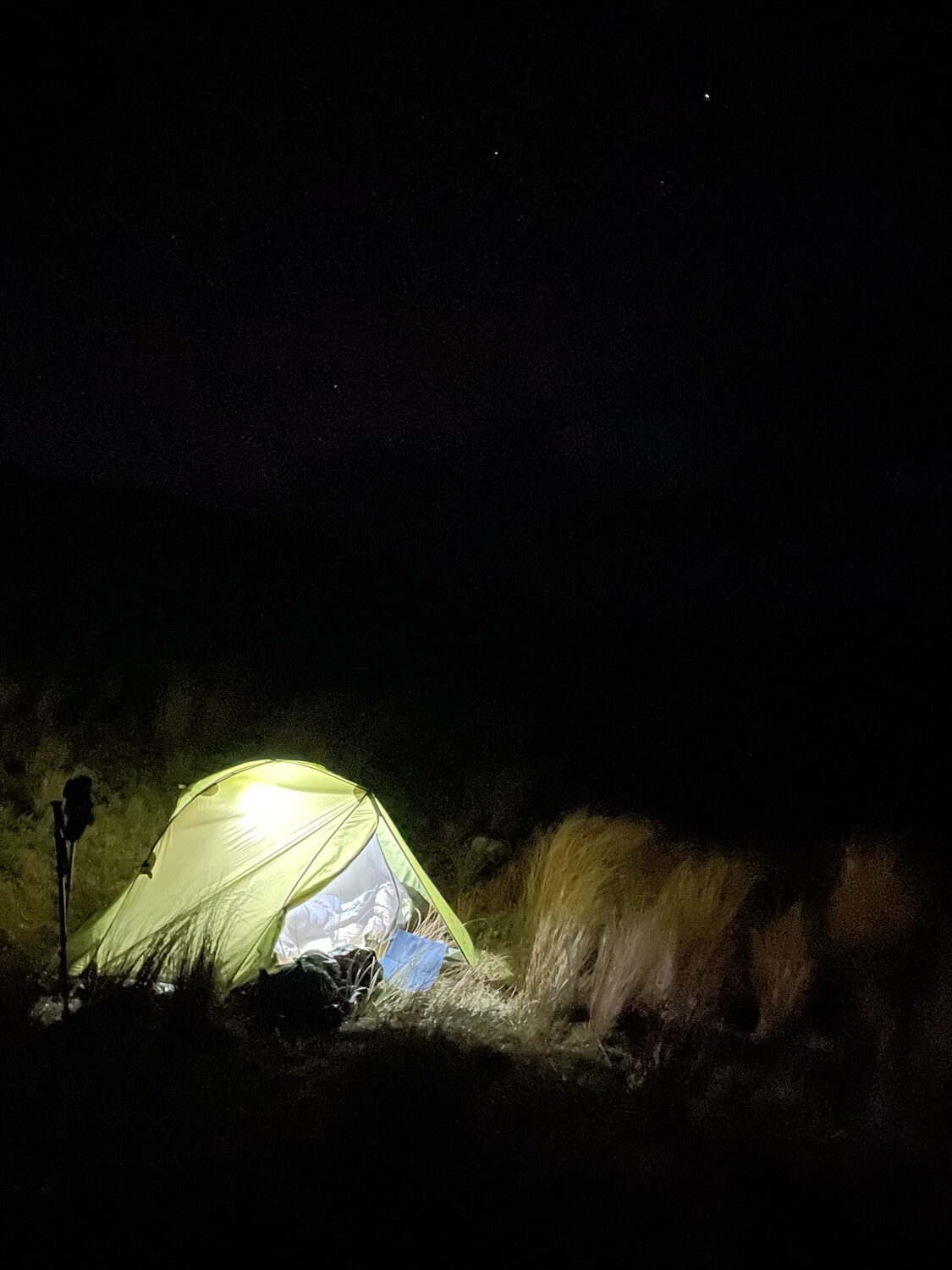
I’ve found myself in situations that felt overwhelming in terms of physical undertaking — climbing down from the head of a valley, or descending from a ridge into safer ground at last light, with weather closing fast. In those moments, self-control matters more than determination. The safest route isn’t always the easiest route, but it’s the one that gets you home.
I’ve been to dark places in my mind — on selections and training courses — and I know what absolute fatigue feels like. That experience gives me a reference point. When things feel insurmountable in the hills, I ground myself by recognising the feeling, and by reminding myself that I’ve pushed through before.
For hunters without the same background, there’s real value in learning what the “end of the line” feels like — but it should be done in a safe, measured way. You don’t need to attempt Everest on your first trip. Build experience, test yourself, but know your limits.
Conclusion
Tactical principles don’t just belong in a training room or on deployment — they translate directly into the New Zealand backcountry.
- Reconnaissance gives foresight: identifying safe routes, productive feed areas, and solid campsites before committing.
- Map study and understanding seasonal slopes and wind patterns let you predict where animals will be and how to approach them.
- Movement discipline ensures energy isn’t wasted before the shot.
- Risk vs reward thinking reminds you that not all animals are recoverable.
- Shooting positions and realistic expectations of bipods or improvised rests prepare you for the terrain.
- Rehearsals and equipment checks prevent avoidable failures.
- Teamwork reduces individual burden and makes groups more effective.
- Stress management keeps “buck fever,” fatigue, and risky judgement in check.
The most important lesson from all of this? The best hunting decision is often not to shoot. Every aspect of the hunt — from the first map recce to the last breath before the trigger — should be deliberate, informed, and within your control.
That mindset doesn’t just make you more effective in the hills — it makes you a Resilient Hunter.